Sợi thép so với cốt thép truyền thống: Loại nào tốt hơn trong việc kiểm soát vết nứt?
Tại sao sàn bê tông cốt thép truyền thống lại bị nứt?
Khi thiết kế sàn công nghiệp hiệu suất cao, cuộc tranh luận về Bê tông cốt sợi thép so với cốt thép là yếu tố quan trọng để đảm bảo độ bền lâu dài. Mặc dù lưới truyền thống vẫn là tiêu chuẩn, Bê tông cốt sợi thép (SFRC) hiện là lựa chọn tối ưu để tăng cường độ bền kéo và ngăn ngừa nứt bề mặt trong ngành xây dựng hiện đại.
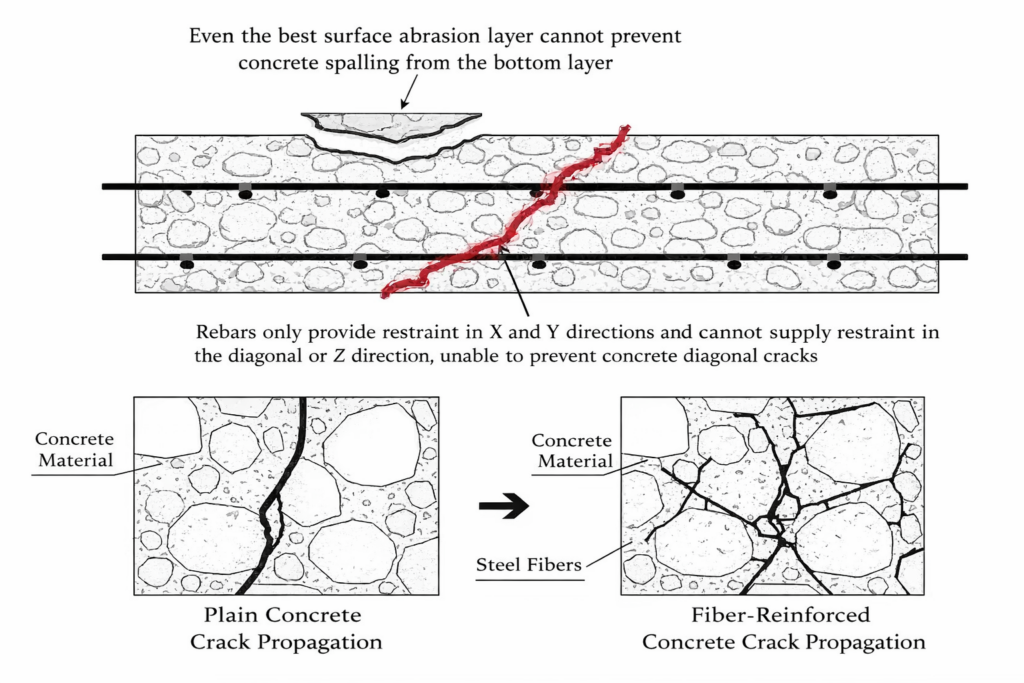
Trong sàn bê tông truyền thống, Lưới thép gia cố được bố trí trên một mặt phẳng hai chiều (2D), vốn không thể tạo ra sự cố định ba chiều hiệu quả bên trong kết cấu bê tông.
Do đó, hai vấn đề lớn nảy sinh:
- Lớp bê tông trơn phía trên dễ bị bong tróc và nứt vỡ bề mặt
- Một khi các vết nứt xuất hiện bên trong bê tông, chúng sẽ dễ dàng lan tỏa lên bề mặt do thiếu sự gia cố đa hướng
Hạn chế này khiến các sàn bê tông cốt thép thông thường dễ bị nứt, đặc biệt là trong môi trường công nghiệp và môi trường có tải trọng lớn.
Cách bê tông sợi thép giải quyết vấn đề nứt nẻ
Bê tông cốt sợi thép (SFRC) thay thế lưới thép gia cố truyền thống bằng một hệ thống gia cố ba chiều (3D).
Thay vì sử dụng một lớp gia cố phẳng, người ta sử dụng sợi thép phân bố đều khắp toàn bộ ma trận bê tông, tạo thành một cấu trúc chịu lực không gian.
Điều này quy định:
- Khả năng chống lại ứng suất bên trong theo mọi hướng
- Cải thiện độ bền kéo và khả năng chống nứt
- Phân bổ tải trọng tốt hơn
Kết quả là:
- Tình trạng bong tróc lớp bề mặt được giảm đáng kể
- Các vết nứt bên trong được kiểm soát hiệu quả và ngăn chặn không cho lan rộng
👉 Nói một cách đơn giản:
Sợi thép khiến các vết nứt “không có chỗ nào để lan rộng”.”
Định nghĩa về bê tông cốt sợi thép
Theo tiêu chuẩn JG/T472, bê tông cốt sợi thép được định nghĩa là loại bê tông có sợi thép phân bố đồng đều được bổ sung với lượng thích hợp.
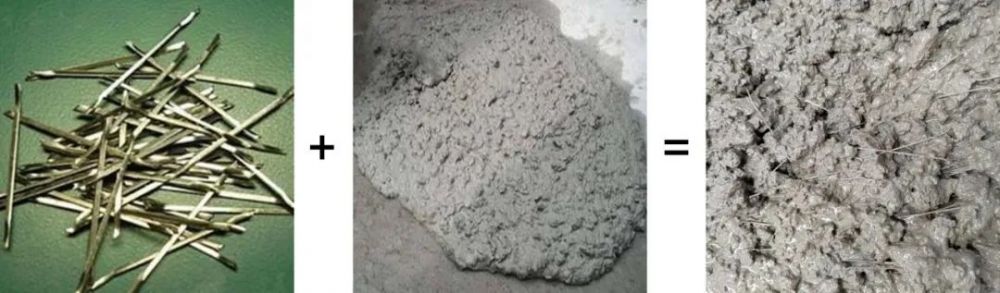
Những sợi này được phân bố ngẫu nhiên giúp:
- Ngăn chặn sự hình thành các vết nứt nhỏ
- Kiểm soát sự hình thành các vết nứt lớn
- Cải thiện độ bền kéo, độ bền uốn, khả năng chịu va đập và khả năng chống mỏi
SFRC cũng cung cấp dịch vụ tốt hơn độ dẻo và độ bền so với bê tông truyền thống.
Các vật liệu chính và yêu cầu về hiệu suất
Bê tông sợi thép bao gồm:
- Sợi thép
- Xi măng
- Vật liệu cốt liệu
- Nước
- Phụ gia và chất phụ gia khoáng
Để đảm bảo hiệu suất tối ưu:
- Sợi thép phải có độ bền kéo cao và mô-đun đàn hồi cao
- Thiết kế hỗn hợp phải đảm bảo khả năng gia công tốt và độ kết dính cao
- Việc phân phối sợi quang phải được đồng phục
Theo các tiêu chuẩn, các cấp độ độ bền của tấm kính cường lực (SFRC) thường dao động từ Từ C20 đến C100.
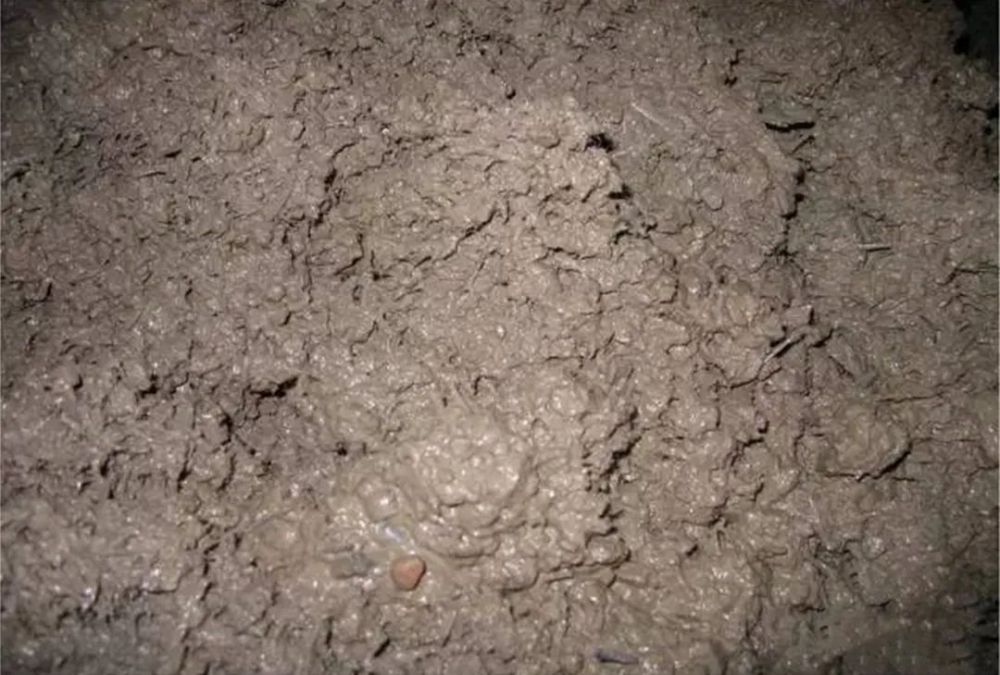
Quy trình thi công sàn bê tông sợi thép
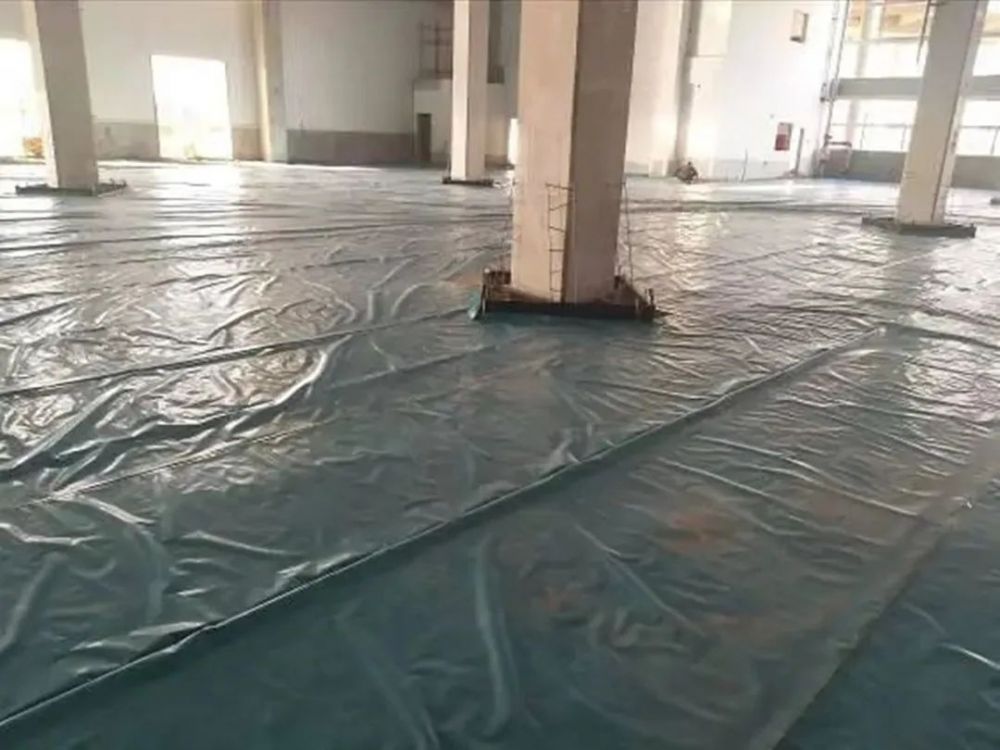
1. Chuẩn bị nền
- Làm sạch và san phẳng bề mặt nền
- Loại bỏ các phần nhô ra để tránh sự tập trung ứng suất
- Lắp đặt màng nhựa để:
- Ngăn ngừa mất độ ẩm
- Hoạt động như một lớp ngăn hơi
- Giảm thiểu nguy cơ bị bó chặt và nứt vỡ
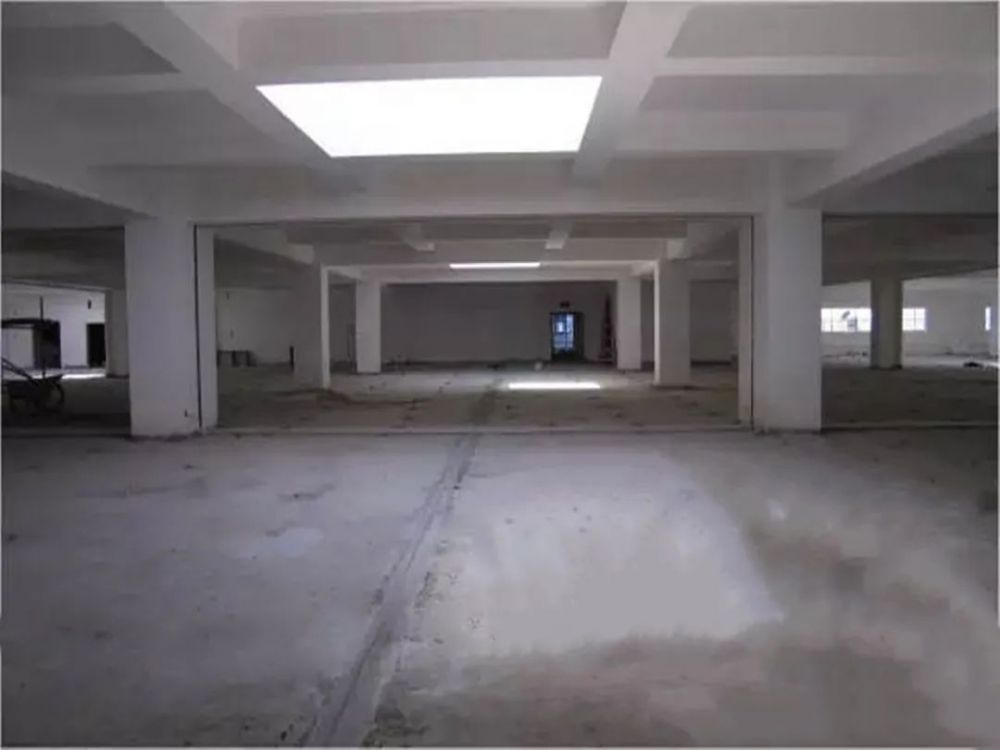
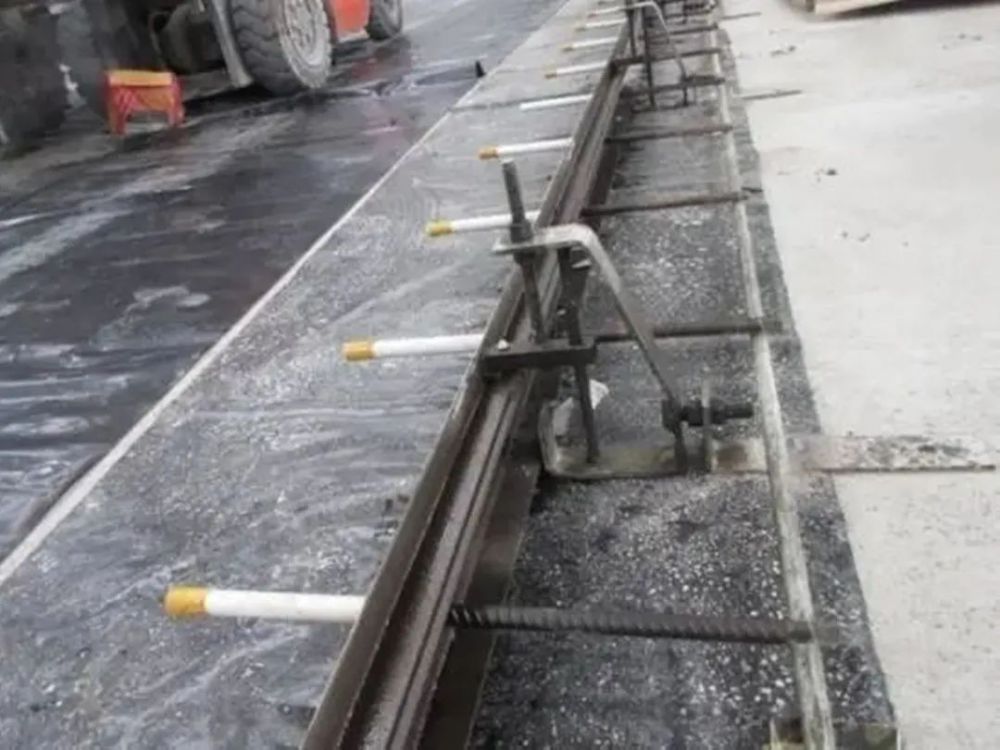
2. Thiết lập các mối nối cách ly
- Lắp đặt các khe co giãn xung quanh tường và cột
- Ngăn ngừa nứt mép và sự tập trung ứng suất
- Lắp đặt thanh chuyển tải tại các mối nối thi công
- Kết hợp với khớp nối giáp dành cho các giải pháp lát sàn không có khe nối
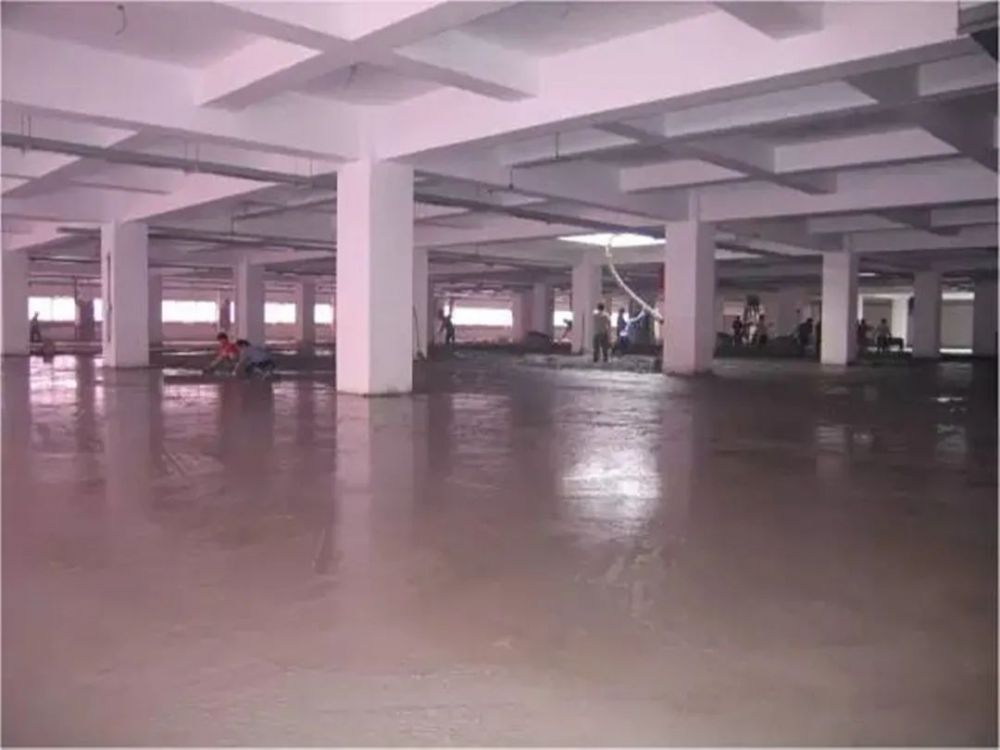
3. Đổ bê tông
- Bê tông sợi thép có thể được đổ bằng xả hàng từ xe tải hoặc bơm
- Do khả năng chảy kém hơn, nên cần thời gian rung lâu hơn
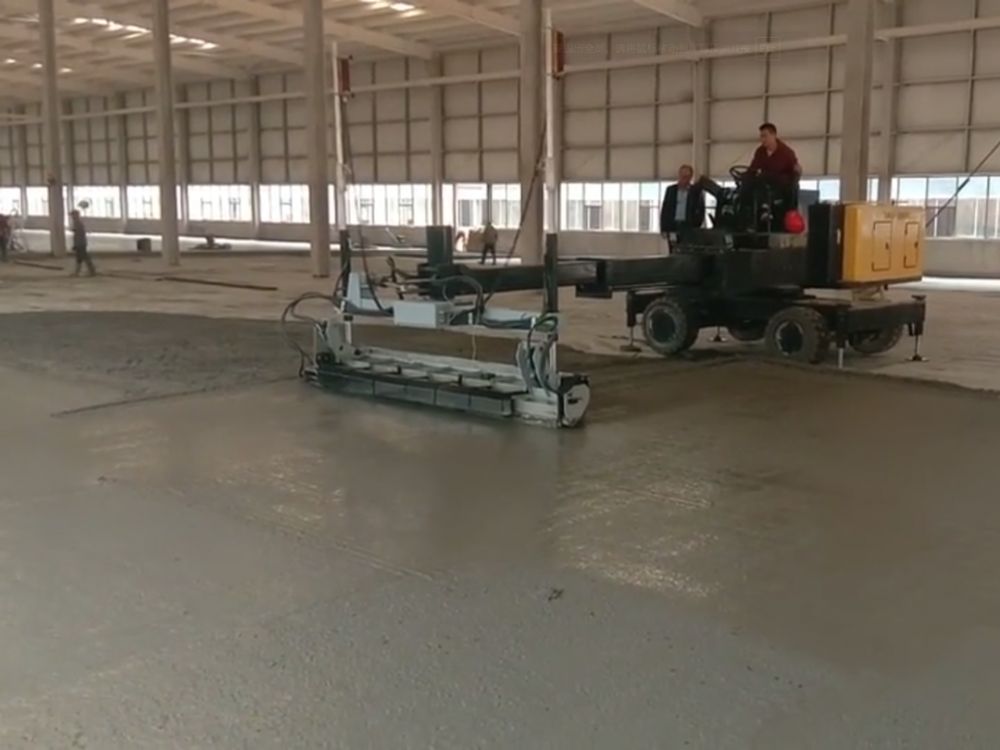
Phương pháp được khuyến nghị:
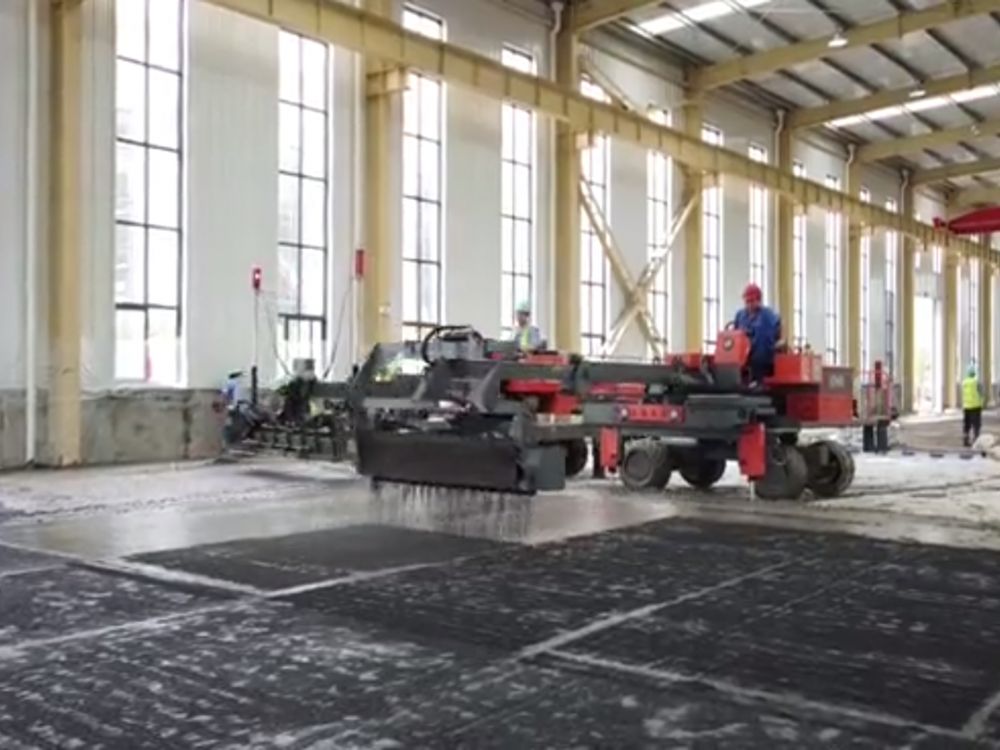
- Sử dụng máy san phẳng bằng laser để san lấp
- Đảm bảo không có bọt khí và hỗn hợp bùn được tạo thành đúng cách
- Giữ lại lớp bề mặt dày khoảng 2 mm để tránh sợi bị lộ ra ngoài
4. Xử lý bề mặt chống mài mòn
- Áp dụng chất làm cứng dạng bột khô trong giai đoạn đông cứng ban đầu
- Đảm bảo phân phối đều
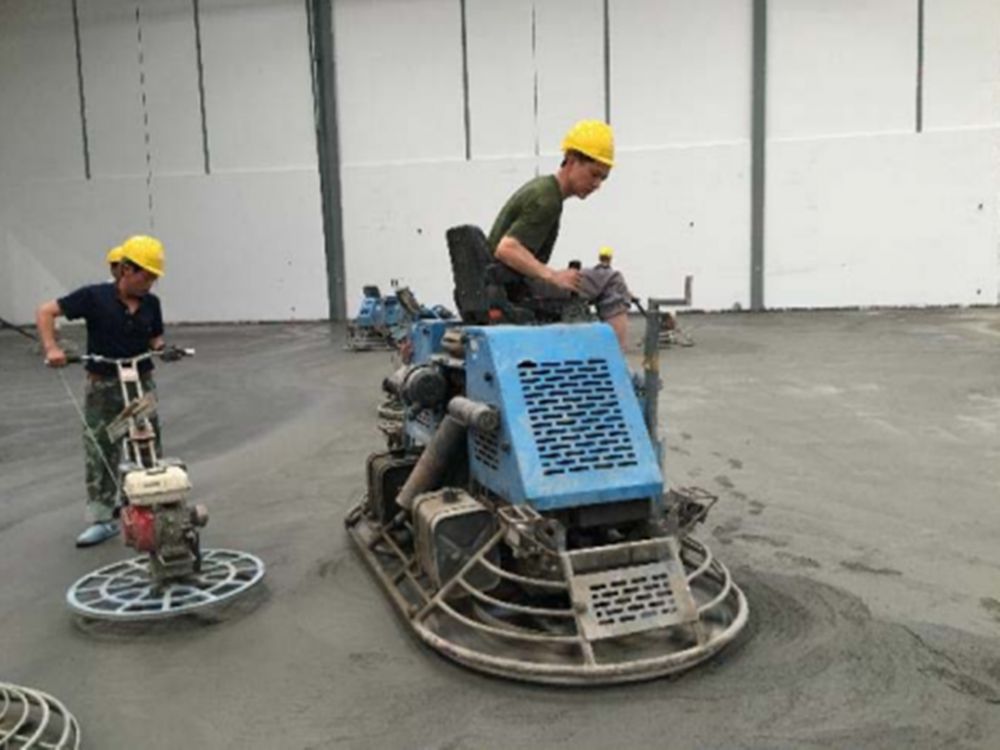
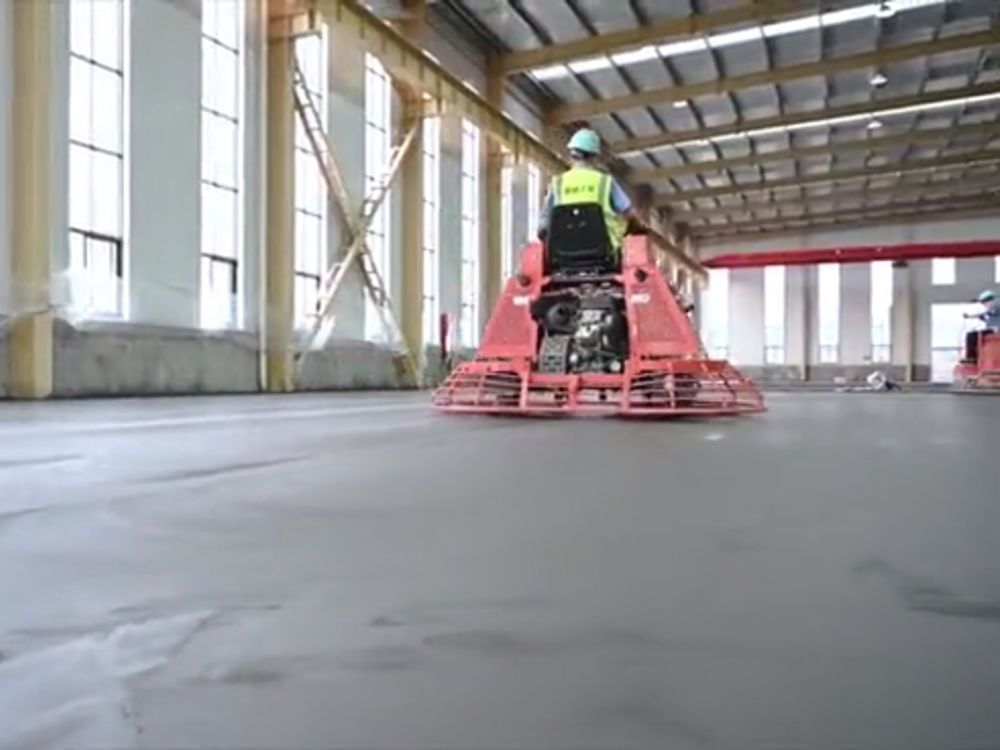
- Sử dụng máy xoa bê tông và máy hoàn thiện để đánh bóng
5. Làm cứng và cắt mối nối
- Phương pháp che phủ và xử lý ít nhất 14 ngày
- Bôi chất bảo dưỡng để ngăn ngừa mất độ ẩm
- Cắt các khe co giãn tại 1/3 độ dày của tấm bê tông
- Duy trì độ ẩm trong quá trình cắt
Quá trình bảo dưỡng đúng cách đảm bảo độ bền và độ chắc chắn tối đa.
Tại sao nên chọn bê tông sợi thép cho sàn công nghiệp?
So với bê tông cốt thép thông thường, bê tông cốt sợi thép (SFRC) mang lại những ưu điểm sau:
- Khả năng chống nứt vượt trội
- Tuổi thọ cao hơn
- Giảm chi phí bảo trì
- Hiệu suất tốt hơn khi hoạt động dưới tải nặng
Nó được sử dụng rộng rãi trong:
- Các nhà máy công nghiệp
- Kho hàng
- Trung tâm logistics
- Hệ thống sàn chịu lực cao
Bê tông cốt sợi thép có thể cải thiện đáng kể khả năng chống nứt và độ bền.
👉 Tìm hiểu thêm về Sợi thép đầu móc dành cho các ứng dụng đòi hỏi hiệu suất cao.
Để biết thông số kỹ thuật và các tiêu chuẩn quốc tế về gia cố sợi, quý vị có thể tham khảo Hiệp hội Bê tông Hoa Kỳ (ACI) hướng dẫn.

Giới thiệu về tác giả: Zhongdimei — Nhà sản xuất chuyên nghiệp về vật liệu xây dựng và sàn từ năm 2015
Chúng tôi chia sẻ các cập nhật về công ty, thông tin ngành và kiến thức kỹ thuật dựa trên kinh nghiệm sản xuất thực tế và ứng dụng thực tiễn trong xây dựng. Nội dung của chúng tôi thể hiện cam kết của Zhongdimei đối với chất lượng, sự đổi mới và các giải pháp vật liệu đáng tin cậy cho các dự án xây dựng và sàn toàn cầu.
Chia sẻ