Ảnh hưởng của số lượng móc đầu sợi thép đến tính chất cơ học của bê tông cốt sợi thép
Tóm tắt
Ảnh hưởng của số lượng móc đầu sợi thép đến tính năng của bê tông cốt sợi thép (SFRC) và cơ chế của nó đã được nghiên cứu thông qua thử nghiệm kéo sợi đơn, thử nghiệm cường độ nén và thử nghiệm tính năng uốn-kéo dầm có rãnh. Kết quả cho thấy khi số lượng móc đầu sợi thép tăng lên, cường độ bám dính cực đại giữa sợi thép và ma trận bê tông cũng tăng theo. Số lượng móc đầu có ít ảnh hưởng đến hiệu suất nén của SFRC, mặc dù sợi thép có một móc đầu có thể làm tăng nhẹ độ bền nén. Khi có nhiều móc đầu hơn, nhánh giảm của đường cong uốn-kéo SFRC trở nên ít dốc hơn, đường cong trở nên đầy đặn hơn và các mẫu thử có thể chịu được ứng suất uốn-kéo cao hơn. Khi vết nứt tiếp tục lan rộng, sợi thép có hai hoặc ba móc đầu cho phép các mẫu SFRC duy trì độ bền uốn-kéo dư tương đối cao ngay cả sau khi xảy ra gãy vỡ và biến dạng lớn. Bê tông cốt sợi thép (SFRC) được sử dụng rộng rãi để cải thiện khả năng chống nứt và độ bền. Theo Hiệp hội Bê tông Hoa Kỳ (ACI), sợi thép giúp cải thiện đáng kể khả năng chịu kéo của bê tông.
Giới thiệu
Bê tông thông thường có độ bền kéo rất thấp và độ dẻo dai kém. Do đó, các vết nứt có thể dễ dàng hình thành trong giai đoạn dẻo, quá trình đông cứng và giai đoạn khô. Ngay cả khi chịu tải uốn tương đối nhỏ, các kết cấu bê tông vẫn dễ bị nứt trong quá trình sử dụng, và những vết nứt này có thể lan rộng nhanh chóng, dẫn đến sự cố gãy giòn đột ngột. Để giải quyết vấn đề này, bê tông cốt sợi thép (SFRC) đã được áp dụng rộng rãi. Bằng cách thêm sợi thép dùng để gia cố bê tông, độ bền kéo, khả năng chống nứt và độ bền tổng thể của bê tông có thể được cải thiện đáng kể. Nhờ hiệu suất vượt trội, bê tông cốt sợi (SFRC) hiện nay được sử dụng phổ biến trong các ứng dụng kỹ thuật đòi hỏi khả năng chống nứt cao và độ tin cậy về mặt kết cấu.
Các loại sợi thép
Dựa trên hình dạng, sợi thép được sử dụng trong bê tông có thể được phân loại thành:
- Sợi thép thẳng
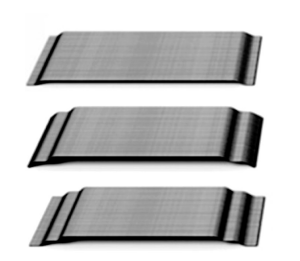
- Sợi thép có đầu móc
- Sợi xoắn (hình sóng)
- Sợi có rãnh
- Sợi xay hoặc sợi không đều
Trong số đó, sợi thép có đầu móc được coi là một trong những loại hiệu quả nhất để gia cố bê tông.
Tại sao sợi thép đầu móc lại có hiệu suất cao hơn
Các ứng dụng ban đầu chủ yếu sử dụng sợi thép thẳng. Tuy nhiên, kết quả thực tế cho thấy khả năng cải thiện khả năng chống nứt và độ bền của chúng còn hạn chế.
So với sợi thẳng, sợi thép có đầu móc cung cấp:
- Độ bám dính chắc chắn hơn với ma trận bê tông
- Độ bám dính cao hơn
- Khả năng truyền tải ứng suất tốt hơn
- Hiệu suất chịu kéo được cải thiện
Bằng cách tối ưu hóa hình dạng của các đầu móc, khả năng bám dính giữa sợi thép và bê tông có thể được cải thiện đáng kể, giúp vật liệu chống lại sự lan truyền vết nứt hiệu quả hơn.
Các yếu tố ảnh hưởng đến độ bền của liên kết
Các nghiên cứu cho thấy hiệu suất liên kết của sợi thép có móc có mối liên hệ chặt chẽ với một số thông số kết cấu, bao gồm:
- Đường kính sợi
- Góc móc
- Độ bền kéo của vật liệu
Những yếu tố này ảnh hưởng đến hành vi bong tróc và cơ chế hư hỏng của sợi thép trong bê tông.
Để hiểu rõ hơn về cơ chế neo giữ, các mô hình như mô hình ròng rọc tương đương đã được đề xuất. Trong mô hình này:
- Phần móc cong tạo ra ma sát quay
- Phần thẳng tạo ra ma sát trượt
Điều này giúp dự đoán khả năng chống kéo đứt của sợi khi chịu tải.
Khoảng trống trong nghiên cứu: Số lượng móc
Trong khi nhiều nghiên cứu tập trung vào hình dạng và kích thước của sợi, tác động của số móc về hiệu suất vẫn chưa được nghiên cứu đầy đủ. Trên thực tế, số lượng hook có thể ảnh hưởng đáng kể đến:
- Công suất neo đậu
- Độ bám dính
- Khả năng chống nứt
- Hành vi rút lui
Mục đích của nghiên cứu này
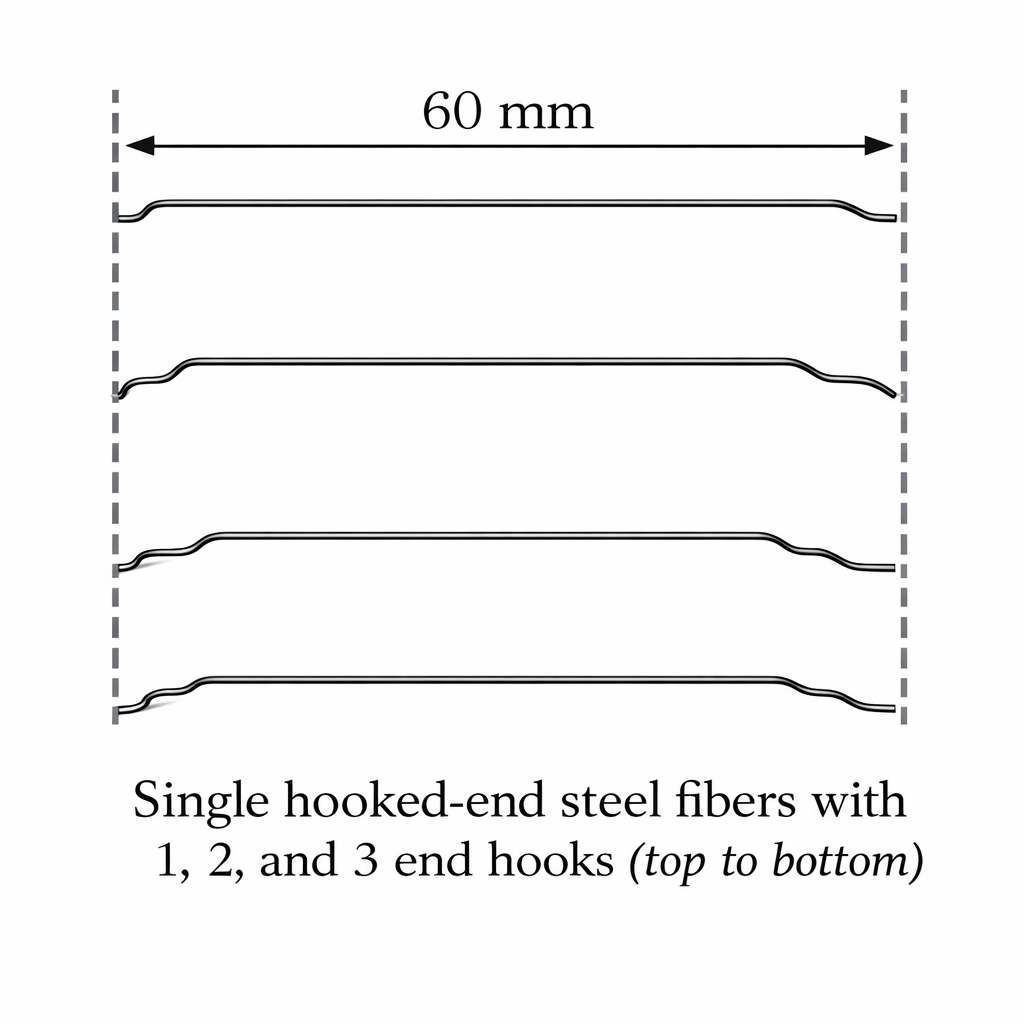
Để tìm hiểu vấn đề này, các sợi thép có chiều dài và đường kính giống nhau nhưng số móc khác nhau (1 móc, 2 móc và 3 móc) đã được thử nghiệm. Nghiên cứu này tập trung vào:
- Ảnh hưởng của số móc đối với độ bền và độ dẻo dai của bê tông cốt sợi thép (SFRC)
- Hành vi kéo giãn của sợi thép có móc
- Cơ chế cơ bản của sự bám dính sợi
Các kết quả nghiên cứu cung cấp những hướng dẫn thiết thực cho việc thiết kế và ứng dụng sợi thép có đầu móc trong bê tông cốt sợi thép (SFRC).
Chương trình Thí điểm
Vật liệu
Bê tông được sử dụng trong nghiên cứu này được pha chế từ xi măng Portland thông thường (loại 42,5), đáp ứng các yêu cầu tiêu chuẩn.
Sợi thép có đầu móc được sử dụng làm vật liệu gia cố, với:
- Chiều dài: 60 mm
- Đường kính: 0,9 mm
- Số móc: 1 móc, 2 móc và 3 móc
Cốt liệu mịn: cát sông tự nhiên (hệ số mịn 2,7)
Cốt liệu thô: đá nghiền (5–16 mm)
Chất giảm nước: chất siêu dẻo polycarboxylate (giảm ≥25%)
Nước: nước máy thông thường dùng để trộn bê tông
Thiết kế hỗn hợp
Hai cấp độ độ bền của bê tông cốt sợi thép (SFRC) đã được chuẩn bị:
- C30
- C50
Liều lượng sợi thép:
👉 40 kg/m³ (được sử dụng rộng rãi trong thực tiễn kỹ thuật)
Phương pháp thử nghiệm
Độ bền uốn và độ bền dư
Khả năng chịu uốn là một trong những chỉ số quan trọng nhất để đánh giá sợi thép dùng cho bê tông cốt sợi thép (SFRC), đặc biệt là khả năng chống nứt và độ bền của nó.
fL=2BHsp23FLL
fCMOD=2BHsp23FCMODL
Địa điểm:
- fL: độ bền uốn cực đại
- fCMOD: độ bền uốn dư
- FL: tải trọng tối đa
- FCMOD: tải trọng tại khe nứt
- L: chiều dài nhịp
- B: chiều rộng mẫu
- Hsp: chiều cao hiệu dụng
👉 Các chỉ số này phản ánh khả năng chịu tải sau khi nứt, điều này có ý nghĩa quyết định đối với hiệu suất của SFRC.
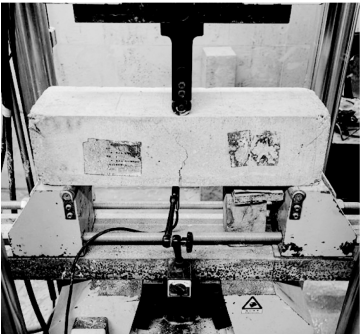
độ bền uốn-kéo dư
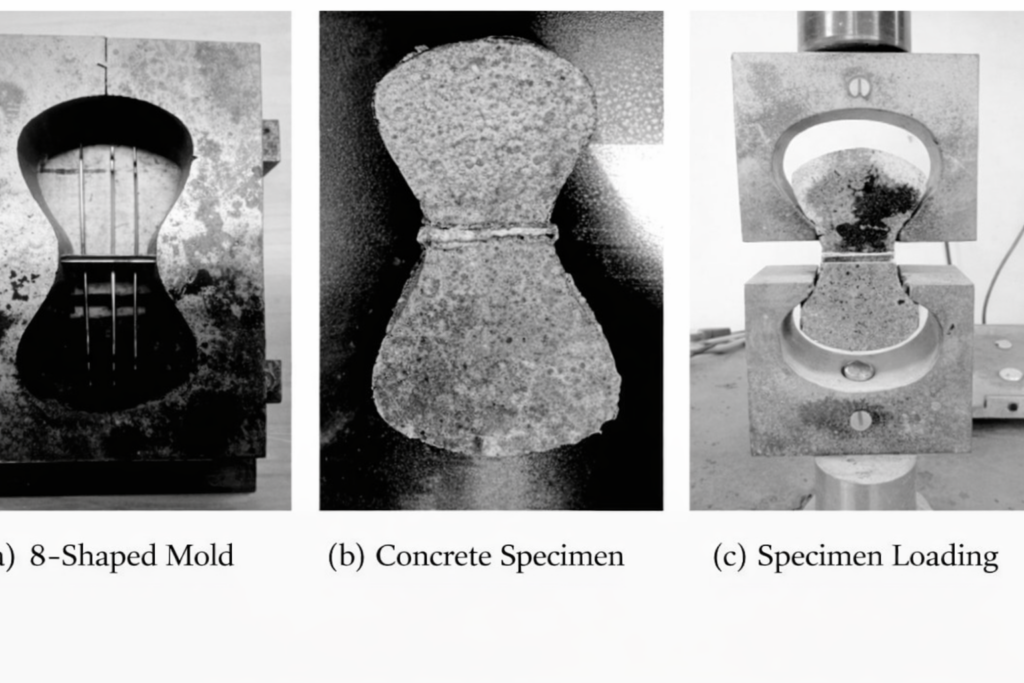
sợi thép và vữa xi măng
Kết quả và Thảo luận
Ảnh hưởng của số móc đến độ bám dính
- Việc tăng số lượng móc câu sẽ giúp cải thiện đáng kể độ bám dính
- Bảng xếp hạng độ bền khi kéo ra:
3 móc > 2 móc > 1 móc
- Độ bám dính tối đa đạt được ở mức dịch chuyển tương tự (2–3 mm), nhưng:
- Số móc càng cao = khả năng chịu tải càng lớn
Điểm chính:
Càng nhiều móc thì độ bám dính cơ học càng chắc chắn, không chỉ nhờ ma sát.
Ảnh hưởng đến cường độ nén
- Đối với Bê tông C30:
- Tác động tối thiểu từ sợi thép
- Đối với Bê tông C50:
- Độ bền nén tăng:
- 1 móc: +13,41 TP3T
- 2 móc: +10,81 TP3T
- 3 móc: +9,71 TP3T
- Độ bền nén tăng:
Điểm chính cần lưu ý:
- Nhiều móc câu hơn ≠ luôn luôn tốt hơn
- Quá nhiều móc có thể làm giảm sự phân tán của sợi
Ảnh hưởng đến tính chất uốn (Quan trọng nhất)
- Sau khi nứt:
- Bê tông không còn chịu tải
- Sợi thép đang chiếm lĩnh thị trường
- Với nhiều móc hơn:
- Áp suất uốn cao hơn
- Khả năng liên kết vết nứt tốt hơn
- Tốc độ giảm sức mạnh chậm hơn
Lại là bảng xếp hạng hiệu suất:
3 móc > 2 móc > 1 móc
Cơ chế hình thành vết nứt
- Khi bắt đầu tải:
- Bê tông chịu tải
- Sau khi nứt:
- Sự truyền tải tải trọng sang sợi thép
- Các móc giữ các sợi cố định dọc theo các vết nứt
- Sự khác biệt chính:
- 1 sợi móc → dễ dàng rút ra hoặc duỗi thẳng
- 2–3 sợi móc → neo đậu lâu hơn
👉 Kết quả:
Độ bền và an toàn kết cấu cao hơn
Kết luận thực tiễn
- Càng nhiều móc thì càng tốt:
- Độ bám dính
- Khả năng chống nứt
- Đặc tính uốn
- Tuy nhiên:
- Quá nhiều móc có thể làm giảm khả năng thi công và làm tăng chi phí
👉 Lựa chọn tối ưu cho hầu hết các dự án: sợi thép 2 móc
👉 Các dự án hiệu suất cao: Sợi thép 3 móc
Sợi thép có đầu móc được sử dụng rộng rãi trong gia cố bê tông. Tìm hiểu thêm về các sản phẩm sợi thép có móc của chúng tôi.

Giới thiệu về tác giả: Zhongdimei — Nhà sản xuất chuyên nghiệp về vật liệu xây dựng và sàn từ năm 2015
Chúng tôi chia sẻ các cập nhật về công ty, thông tin ngành và kiến thức kỹ thuật dựa trên kinh nghiệm sản xuất thực tế và ứng dụng thực tiễn trong xây dựng. Nội dung của chúng tôi thể hiện cam kết của Zhongdimei đối với chất lượng, sự đổi mới và các giải pháp vật liệu đáng tin cậy cho các dự án xây dựng và sàn toàn cầu.
Chia sẻ