Fibra de acero frente a armadura tradicional: ¿cuál es más rentable?
Why Does Traditional Reinforced Concrete Flooring Crack?
When designing high-performance industrial floors, the debate of Steel Fiber Reinforced Concrete vs Rebar is crucial for ensuring long-term durability. While traditional mesh has been the standard, Hormigón reforzado con fibra de acero (SFRC) is now the superior choice to enhance tensile strength and prevent surface cracking in modern construction.
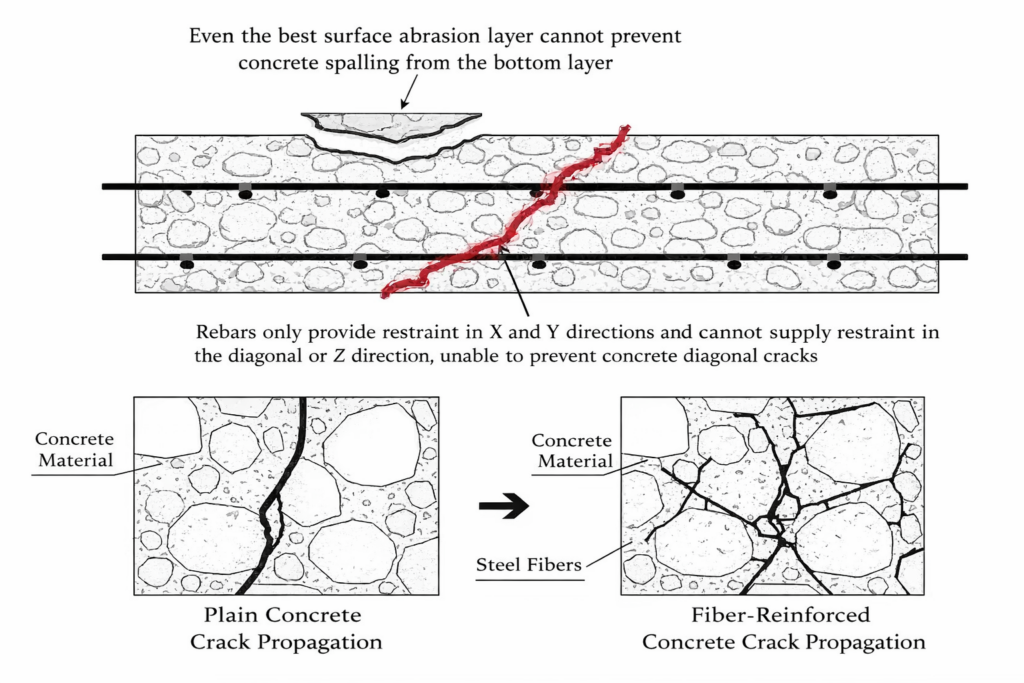
In traditional concrete flooring, steel reinforcement mesh is distributed in a two-dimensional (2D) plane, which cannot provide effective three-dimensional restraint within the concrete structure.
As a result, two major problems occur:
- The upper layer of plain concrete is prone to surface peeling and spalling
- Once cracks form inside the concrete, they easily propagate to the surface due to the lack of multi-directional reinforcement
This limitation makes conventional reinforced concrete floors vulnerable to cracking, especially in industrial and heavy-load environments.
How Steel Fiber Concrete Solves Cracking Problems
Steel fiber reinforced concrete (SFRC) replaces traditional rebar mesh with a three-dimensional (3D) reinforcement system.
Instead of a flat reinforcement layer, steel fibers are evenly distributed throughout the entire concrete matrix, forming a spatial support structure.
This provides:
- Full-directional restraint against internal stress
- Improved tensile strength and crack resistance
- Better load distribution
As a result:
- Surface layer peeling is significantly reduced
- Internal cracks are effectively controlled and prevented from expanding
👉 En términos sencillos:
Steel fibers make cracks “have nowhere to go.”
Definition of Steel Fiber Reinforced Concrete
According to the standard JG/T472, steel fiber reinforced concrete is defined as concrete with uniformly distributed steel fibers added in appropriate amounts.
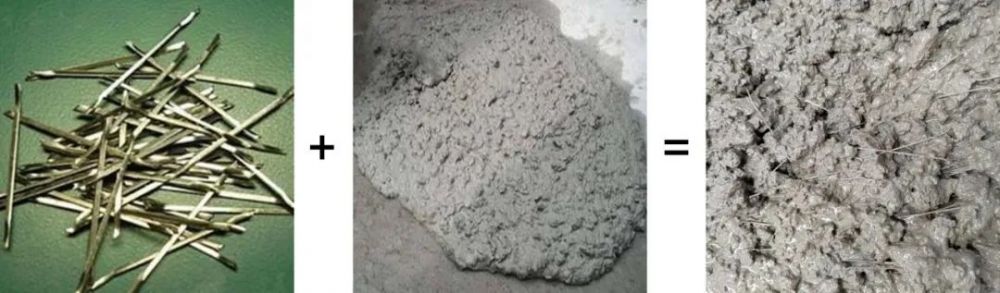
These randomly distributed fibers help:
- Prevent micro-crack development
- Control macro-crack formation
- Improve tensile strength, flexural strength, impact resistance, and fatigue performance
SFRC also offers better ductility and durability compared to traditional concrete.
Key Materials and Performance Requirements
Steel fiber concrete is composed of:
- Steel fibers
- Cement
- Aggregates
- Water
- Admixtures and mineral additives
To ensure optimal performance:
- Steel fibers must have high tensile strength and elastic modulus
- The mix design should provide good workability and cohesion
- Fiber distribution must be uniform
According to standards, SFRC strength grades typically range from C20 to C100.
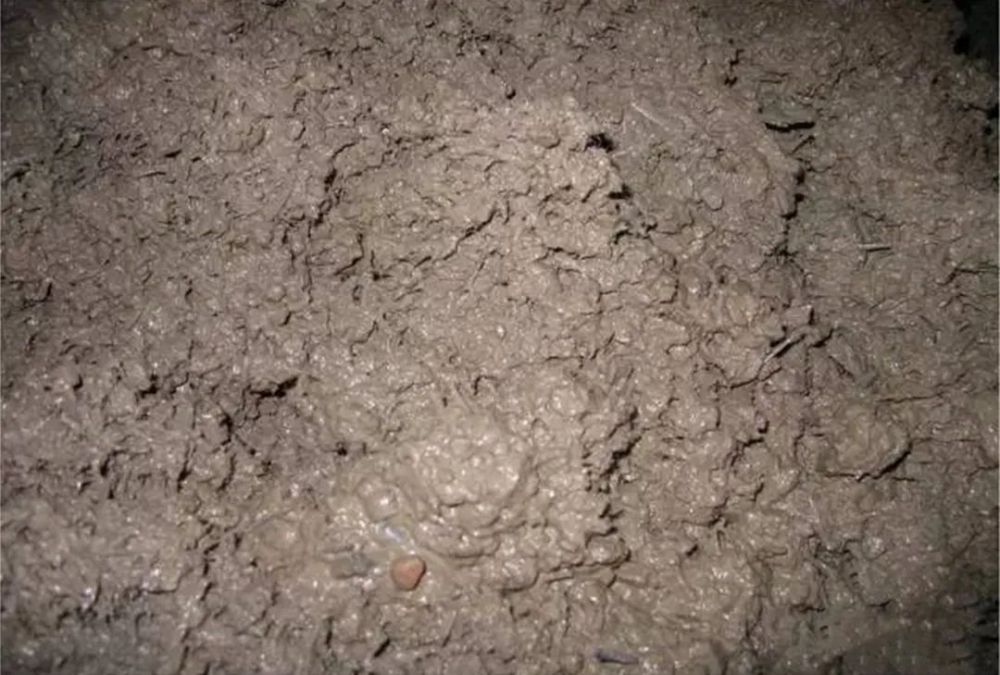
Construction Process of Steel Fiber Concrete Flooring
1. Base Preparation
- Clean and level the base surface
- Remove protrusions to avoid stress concentration
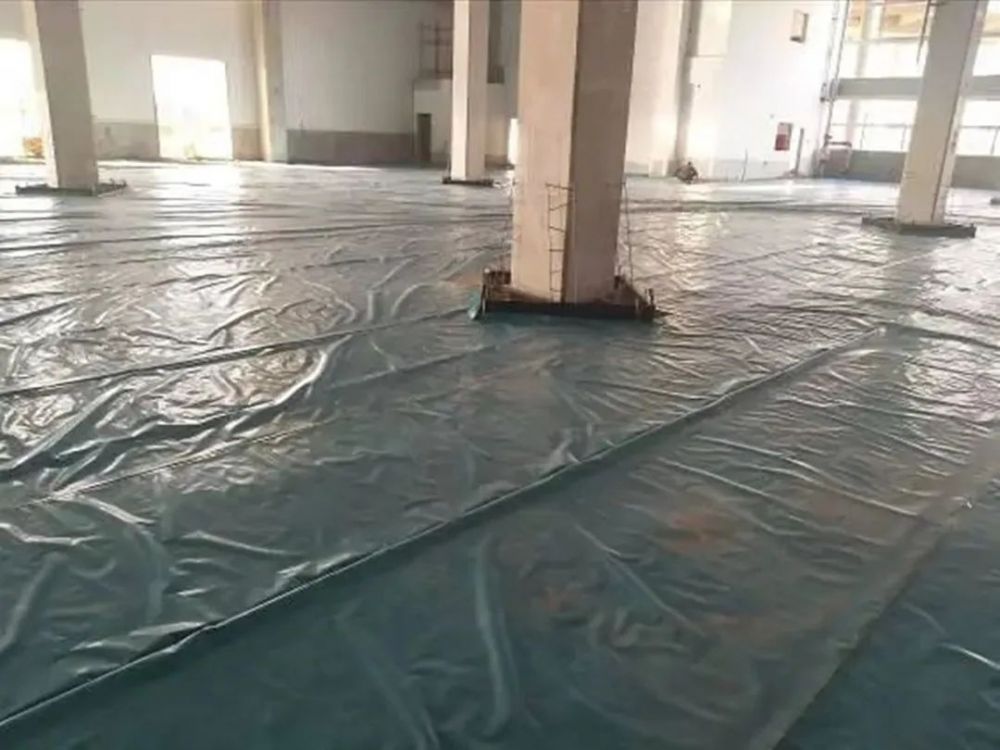
- Install plastic film to:
- Prevent moisture loss
- Act as a vapor barrier
- Reduce base restraint and cracking risk
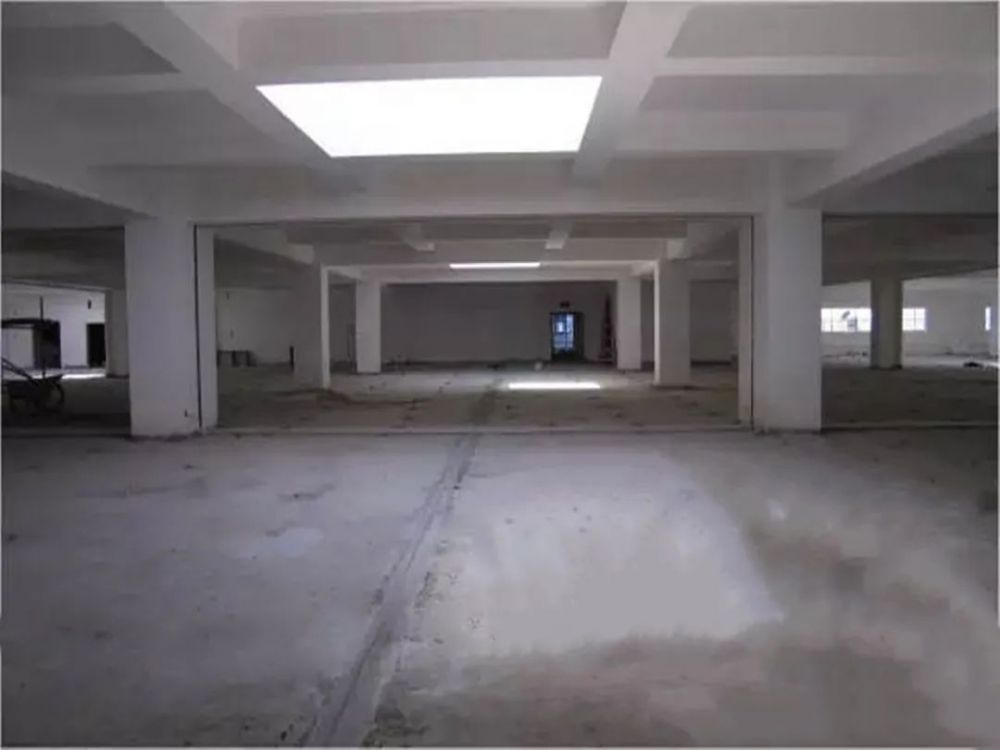
2. Isolation Joints Setup
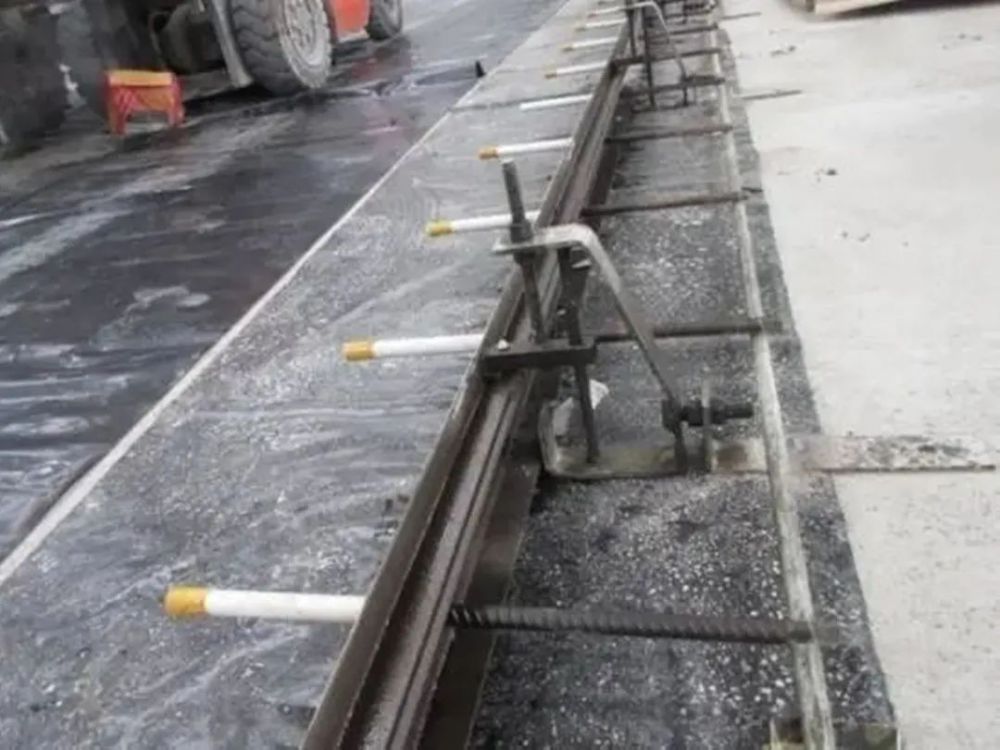
- Set isolation joints around walls and columns
- Prevent edge cracking and stress concentration
- Install load transfer bars at construction joints
- Combine with armour joints for joint-free flooring solutions
3. Concrete Placement
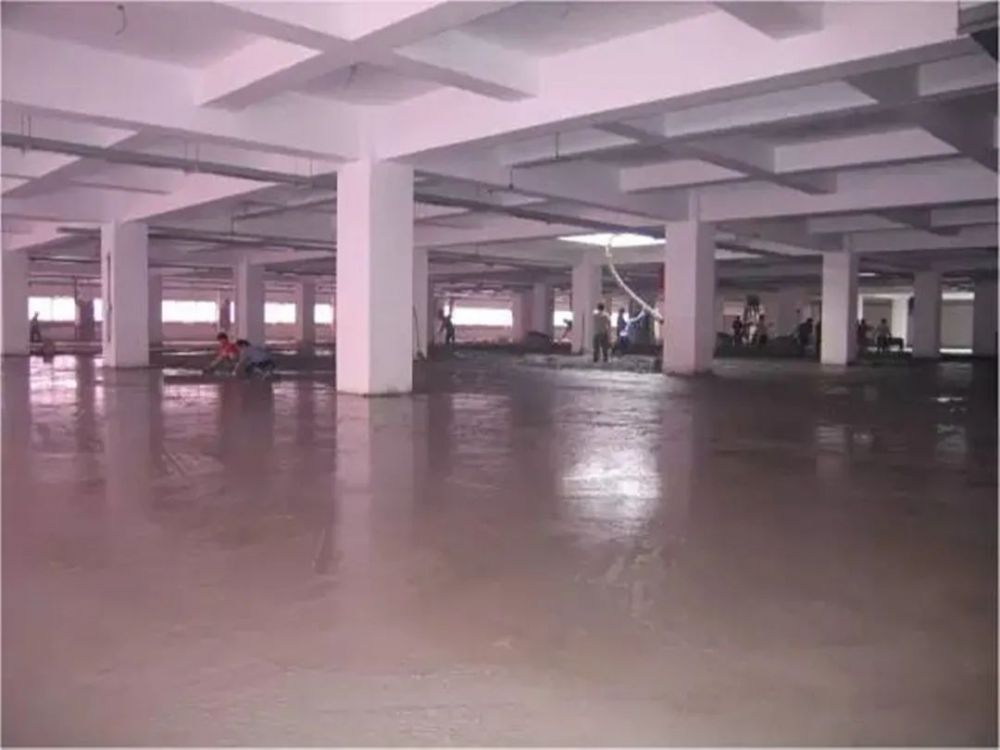
- Steel fiber concrete can be poured by truck discharge or pumping
- Due to reduced flowability, longer vibration time is required
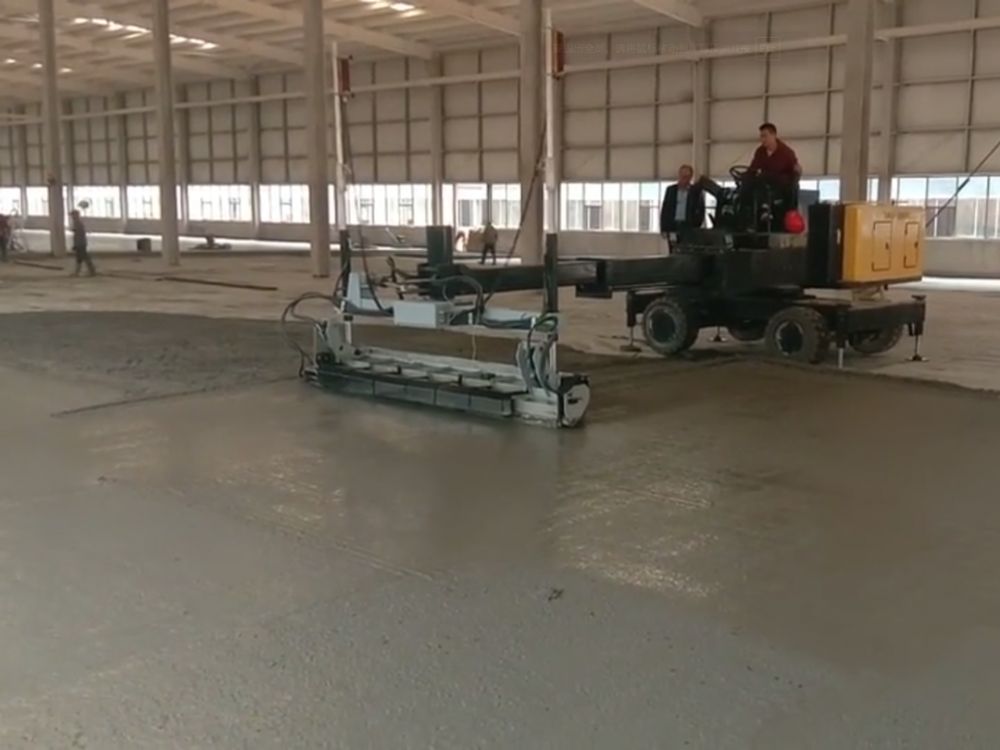
Recommended method:
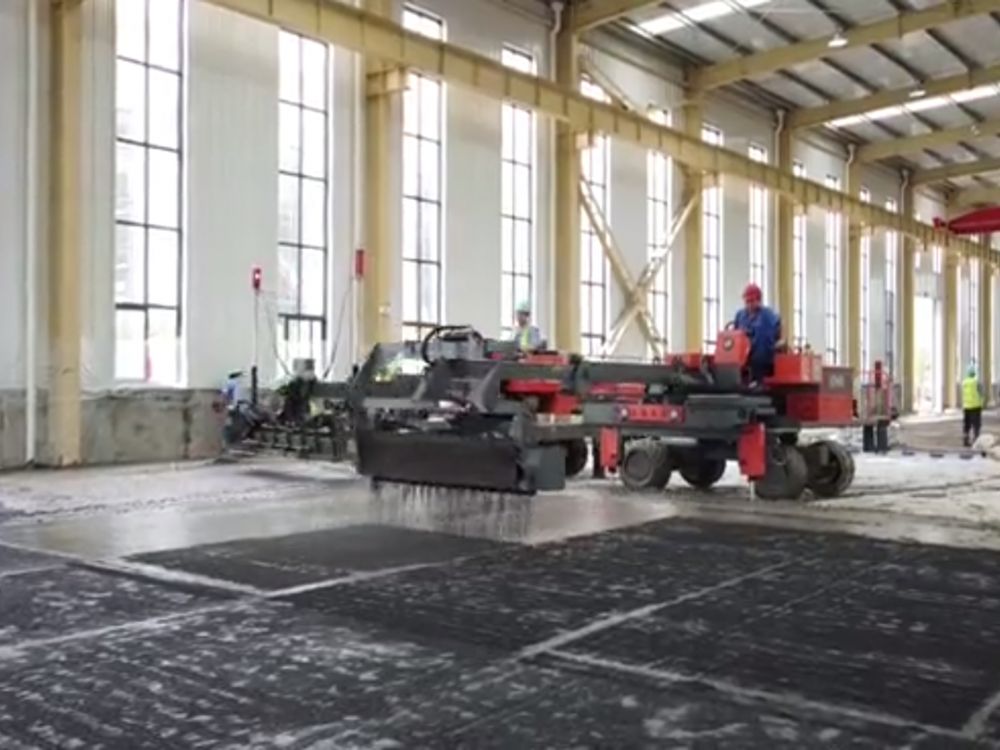
- Use laser screed machine for leveling
- Ensure no air bubbles and proper slurry formation
- Maintain ~2mm surface layer to prevent fiber exposure
4. Wear-Resistant Surface Treatment
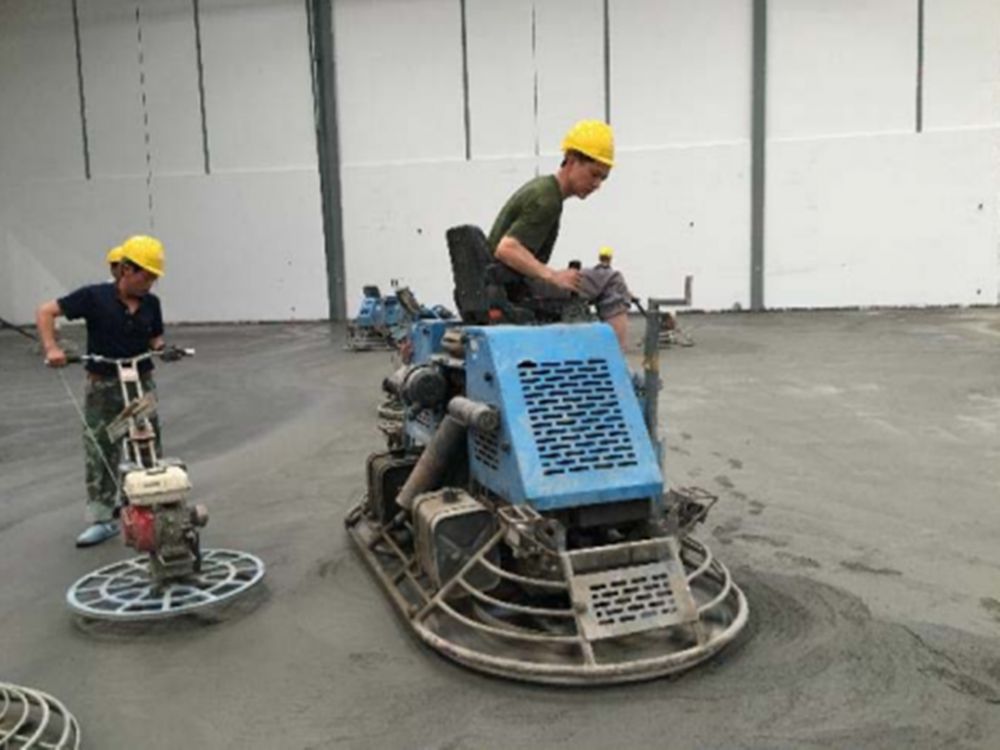
- Apply dry shake hardener during initial setting stage
- Ensure even distribution
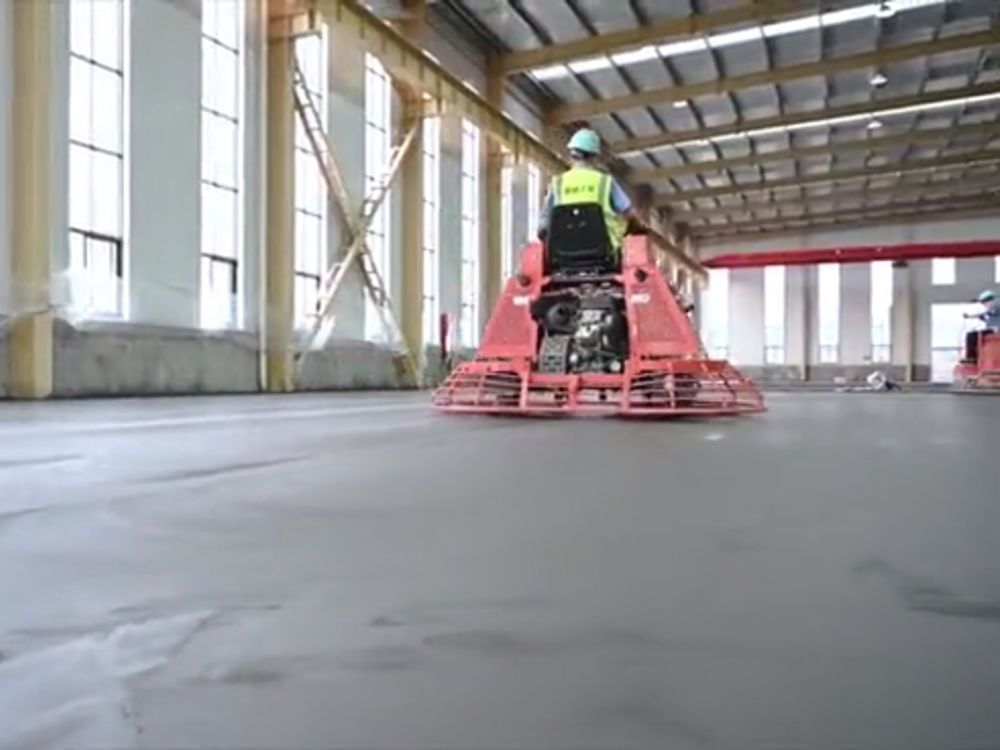
- Use power trowel and finishing machines for polishing
5. Curing and Joint Cutting
- Cover and cure for at least 14 days
- Apply curing compound to prevent moisture loss
- Cut expansion joints at 1/3 depth of slab thickness
- Maintain moisture during cutting process
Proper curing ensures maximum strength and durability.
Why Choose Steel Fiber Concrete for Industrial Floors?
Compared with Steel Fiber Reinforced Concrete vs Rebar, SFRC offers:
- Superior crack resistance
- Mayor vida útil
- Reduced maintenance cost
- Better performance under heavy loads
It is widely used in:
- Industrial plants
- Almacenes
- Centros logísticos
- Heavy-duty flooring systems
Steel Fiber Reinforced Concrete can significantly improve crack resistance and durability.
👉 Learn more about our Hooked End Steel Fiber for high-performance applications.
For technical specifications and global standards on fiber reinforcement, you can refer to the American Concrete Institute (ACI) guidelines.
Sobre el Autor: Zhongdimei - Fabricante profesional de materiales de construcción y suelos desde 2015.
Compartimos actualizaciones de la empresa, perspectivas del sector y conocimientos técnicos basados en experiencias reales de fabricación y aplicaciones prácticas en la construcción. Nuestro contenido refleja el compromiso de Zhongdimei con la calidad, la innovación y las soluciones de materiales fiables para proyectos globales de construcción y pavimentación.
Compartir