Qu'est-ce que le béton armé de fibres d'acier (BAFA) ?
Le béton renforcé de fibres d'acier (SFRC) est un matériau composite avancé fabriqué en ajoutant des fibres d'acier courtes réparties de manière aléatoire dans le béton conventionnel.
Cette simple modification permet d'améliorer considérablement les performances mécaniques du béton, en particulier sa résistance à l'usure. résistance à la traction, résistance à la flexion, résistance aux chocs et capacité de contrôle des fissures.
Par rapport au béton ordinaire, le SFRC peut généralement atteindre les objectifs suivants
- 40%-80% augmentation de la résistance à la traction
- 60%-120% augmentation de la résistance à la flexion
Par conséquent, le SFRC est devenu une solution largement utilisée dans la construction moderne où la durabilité et la performance sont essentielles.
“Selon la ACI 544 les SFRC améliorent considérablement la ductilité...”
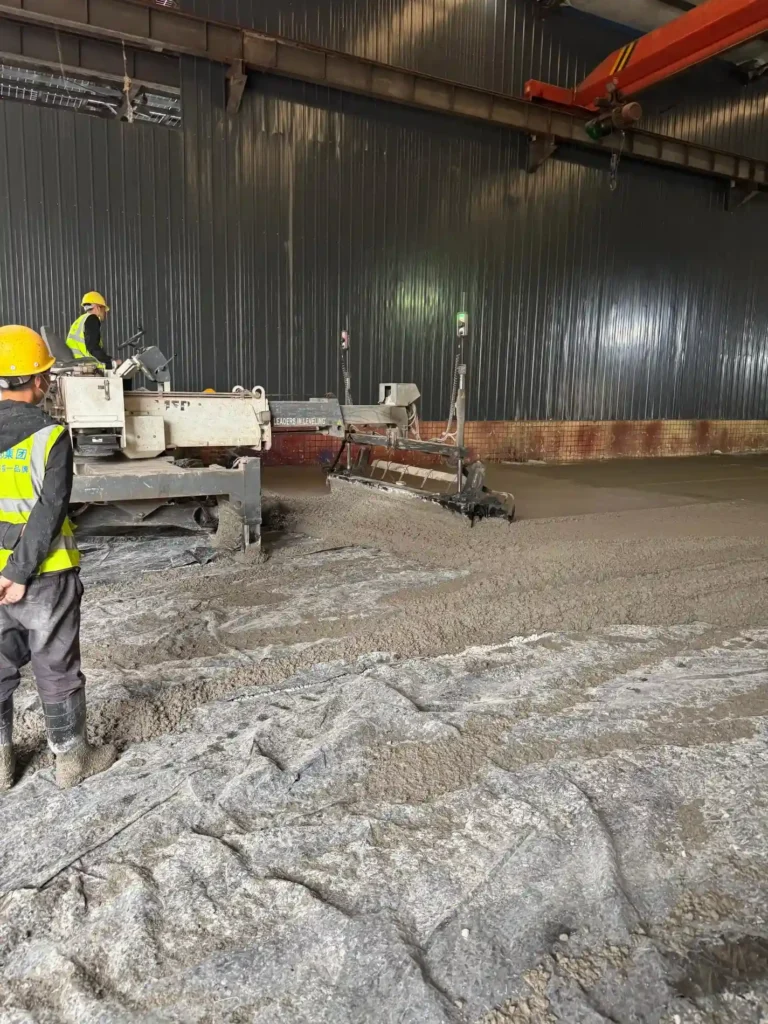
Comment fonctionne le béton armé de fibres d'acier (BAFA) ? (Mécanisme de renforcement)
Le béton est naturellement résistant à la compression, mais faible à la tension et susceptible de se fissurer.
Lorsque des fibres d'acier sont ajoutées :
- Ils agissent en tant que des ponts de micro-renforcement à travers les fissures
- Ils transfèrent les contraintes des zones fissurées vers les zones intactes
- Ils empêchent les microfissures de se transformer en défaillances structurelles majeures.
Ce mécanisme permet au béton de conservent leur capacité de charge même après la fissuration, améliorant ainsi de manière significative ductilité et sécurité structurelle.
👉 En termes simples :
Le SFRC transforme le béton fragile en un matériau plus résistant. matériau ductile et tolérant aux dommages.
Types courants de fibres d'acier
Les fibres d'acier sont classées en fonction de leur forme, de leur revêtement et de leur processus de fabrication. Les types les plus courants sont les suivants :
- Fibre de micro-acier revêtue de cuivre
- Fibre d'acier à crochet libre
- Extrémité crochetée collée Fibre d'acier
- Fibre d'acier sertie
- Fibre d'acier droite
- Fibre d'acier déformée en bout
- Fibre en acier inoxydable (pour la résistance à la corrosion)
- Fibre d'acier de fraisage
- Fibre d'acier de type cisaillement
👉 Aperçu pratique :
Les fibres à bouts crochus sont les plus utilisées en raison de leur forte capacité de collage.
Principaux avantages du béton renforcé de fibres d'acier (SFRC)
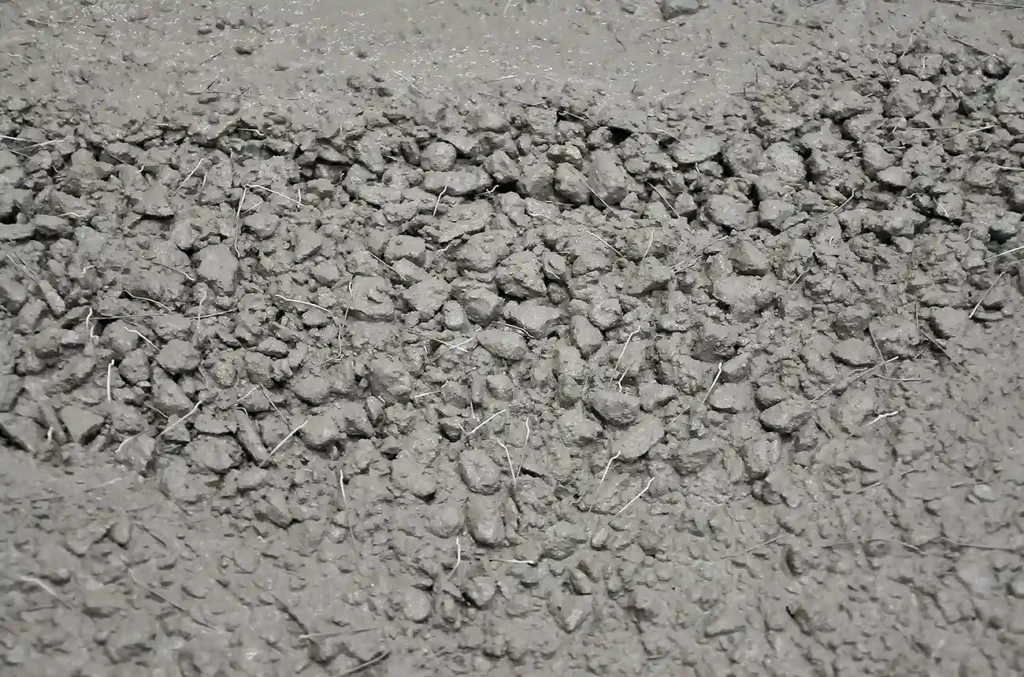
1. Excellente résistance à la fissuration
Les fibres d'acier permettent de répartir les contraintes de rétrécissement et de contrôler efficacement les effets de la rétrécissement. les fissures de retrait du plastique et du séchage.
2. Ténacité et résistance aux chocs supérieures
Le SFRC absorbe beaucoup plus d'énergie sous charge, ce qui en fait un matériau idéal :
- Sols industriels
- Chaussées des aéroports
- Structures militaires
👉 La résistance aux chocs peut être plusieurs fois plus élevé que le béton ordinaire.
3. Amélioration de la résistance à la fatigue
Sous des charges répétées, le SFRC montre :
- Dégradation plus faible de la résistance
- Durée de vie plus longue
Parfait pour les routes, les ponts et les zones de charge lourde.
4. Meilleure résistance à l'usure et à l'érosion
La densité et la dureté plus élevées du SFRC en font un matériau adapté :
- Structures hydrauliques
- Ports et environnements marins
5. Réduction de la complexité de la construction
Dans de nombreux cas, le SFRC peut :
- Remplacer partiellement ou totalement le treillis d'armature traditionnel
- Réduire les coûts de main-d'œuvre
- Accélérer la construction
👉 This is a un argument de vente important pour les clients d'outre-mer.
Considérations relatives à la conception du mélange
Pour obtenir des performances optimales, les facteurs suivants sont essentiels :
Paramètres de la fibre
- Dosage du volume : 0,5% - 2,0%
- Rapport d'aspect : 40 - 80
Trop peu → renforcement insuffisant
Trop → agglutination des fibres et mauvaise maniabilité
Matrice de béton
- Classe de résistance : généralement ≥ C30
- La teneur en agrégats fins doit être augmentée
- Taille maximale des agrégats ≤ 20 mm
Processus de mélange
Séquence recommandée :
- Mélange sec agrégats + ciment
- Ajouter progressivement des fibres d'acier
- Ajouter l'eau et les adjuvants
👉 Point de contrôle clé : éviter la formation de boules de fibres
Notes sur la construction
Transport et coulage
- Éviter les vibrations excessives pendant le transport
- Limiter la hauteur de chute pour éviter la ségrégation des fibres
Finition et durcissement
- Presser les fibres exposées dans la surface avant de les fixer
- Durcissement humide ≥ 14 jours
Contrôle de la qualité
- Assurer une distribution uniforme des fibres
- Vérifier l'état de surface et l'aptitude au façonnage
Principales applications du SFRC
Revêtements de sol industriels et commerciaux
- Entrepôts
- Usines
- Centres logistiques
👉 Poignées trafic intense et charges répétées
Infrastructure de transport
- Autoroutes
- Ponts
- Pistes d'aéroport
- Revêtements de tunnels
Génie hydraulique et maritime
- Barrages
- Déversoirs
- Chantiers portuaires
👉 Forte résistance aux l'érosion et l'impact de l'eau
Défense et structures de protection
- Murs résistants aux explosions
- Abris militaires
Réparation et renforcement
- Réparation des fissures
- Renforcement structurel
👉 Excellente adhérence au béton existant
Défis et limites
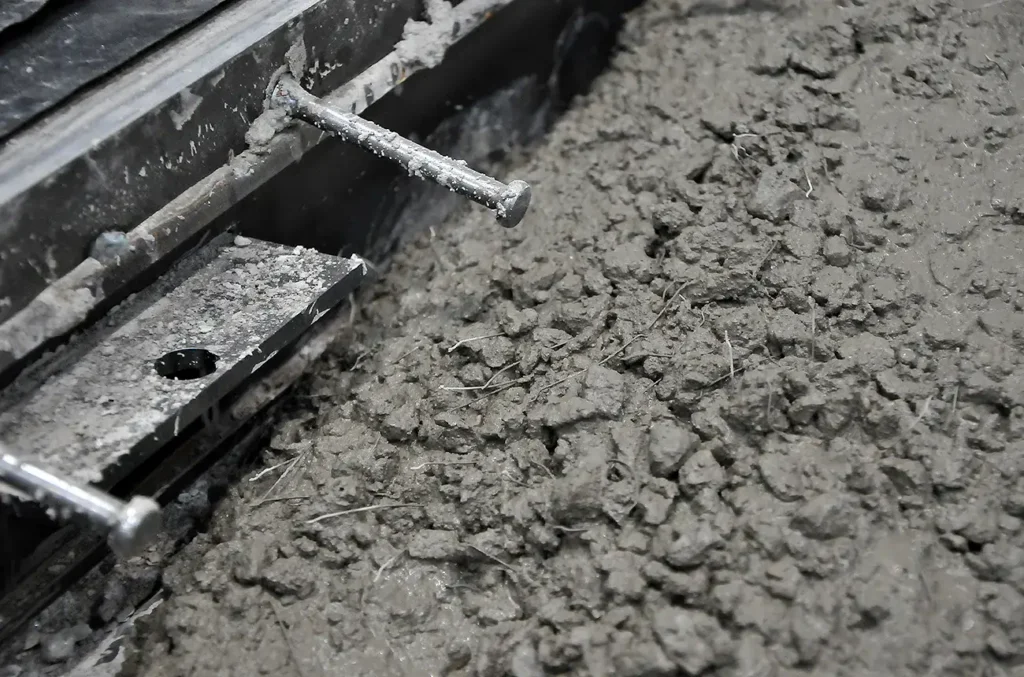
Coût initial plus élevé
Les fibres d'acier augmentent le coût initial, mais.. :
👉 Maintenance réduite + durée de vie plus longue = meilleur retour sur investissement à long terme
Sensibilité de la construction
Nécessaire :
- Mélange approprié
- Manipulation compétente
Normes de conception
Encore en évolution dans certaines régions, nécessitant expérience en ingénierie.
Tendances futures
Le développement du CRS s'oriente vers.. :
- Fibres de haute performance avec une meilleure dispersion
- Systèmes de fibres hybrides (acier + fibres synthétiques)
- Durabilité accrue dans les environnements difficiles
- Application en Béton imprimé en 3D
Le béton renforcé de fibres d'acier n'est plus seulement un matériau de niche, il est en train de devenir un matériau à part entière. solution d'ingénierie générale.
En combinant :
- La résistance à la compression du béton
- La ténacité de l'acier
Le SFRC surmonte avec succès la plus grande faiblesse du béton traditionnel...fragilité.
👉 Pour les projets nécessitant la durabilité, l'efficacité et la réduction de la maintenance, Le béton renforcé de fibres d'acier (SFRC) est souvent le choix le plus judicieux à long terme.

A propos de l'auteur : Zhongdimei - Fabricant professionnel de matériaux de construction et de revêtement de sol depuis 2015
Nous partageons des mises à jour sur l'entreprise, des informations sur l'industrie et des connaissances techniques fondées sur une expérience de fabrication réelle et des applications pratiques dans le domaine de la construction. Notre contenu reflète l'engagement de Zhongdimei en faveur de la qualité, de l'innovation et de solutions matérielles fiables pour les projets mondiaux de construction et de revêtement de sol.
Partager
Catégorie de produits
Contactez-nous dès aujourd'hui
Articles connexes
-
2026-04-23
Qu'est-ce que l'armature en fibres d'acier pour le béton ?
Le renforcement par fibre d'acier offre un meilleur contrôle des fissures, une durée de vie plus longue et des coûts de maintenance plus faibles que les systèmes d'armature traditionnels, en particulier dans les applications industrielles lourdes de planchers en béton.ZMD propose des fibres d'acier de haute qualité avec une gamme d'options de résistance, conçues pour un renforcement fiable dans les applications de béton exigeantes. Avantages de l'utilisation de la fibre d'acier La fibre d'acier permet d'optimiser de manière significative les...
-
2026-04-22
Comment installer des joints blindés dans les planchers en béton ?
Qu'est-ce qu'un joint armé dans un revêtement de sol en béton ? Un joint blindé est un système de joint de dilatation spécialisé utilisé dans les revêtements de sol en béton pour tenir compte de la dilatation et de la contraction thermiques. Il est généralement fabriqué en acier ou en matériaux très résistants et installé aux joints de dalles pour protéger les bords des dommages. Les joints armés jouent un rôle essentiel dans la prévention des fissures,...
-
2026-04-17
Coût de la fibre d'acier ou de la barre d'armature : Lequel est le plus rentable en 2026 ?
Le coût de la fibre d'acier par rapport à la barre d'armature est l'une des considérations les plus importantes dans les projets de planchers en béton. Par rapport à la barre d'armature traditionnelle, le renforcement par fibre d'acier peut réduire les coûts globaux du projet de 15%-30%. Caractéristiques principales de la construction de planchers en béton armé Les planchers en béton armé sont largement utilisés dans les constructions industrielles et commerciales en raison de leur résistance et de leur capacité de charge. Cependant,...
-
2026-04-15
Béton renforcé de fibres d'acier (SFRC) : Guide d'ingénierie
Le béton renforcé de fibres d'acier (SFRC) est un matériau composite composé de ciments hydrauliques, de granulats fins et grossiers et de fibres d'acier discrètes, réparties de manière aléatoire. Il est conçu pour surmonter la fragilité inhérente au béton conventionnel. Le rôle des fibres d'acier La fonction première des fibres d'acier est de modifier les propriétés mécaniques de la matrice du béton,...