What Is Steel Fiber Reinforced Concrete (SFRC)?
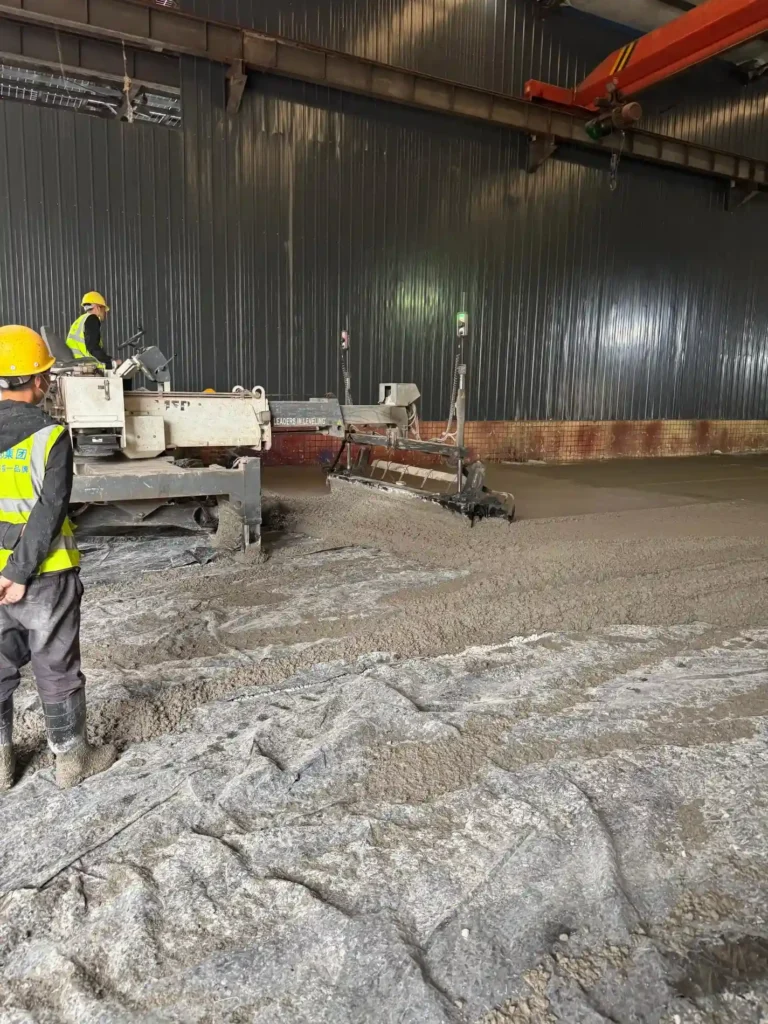
Steel Fiber Reinforced Concrete (SFRC) is an advanced composite material made by adding randomly distributed short steel fibers into conventional concrete.
This simple modification significantly enhances the mechanical performance of concrete—especially its tensile strength, flexural strength, impact resistance, and crack control capability.
Compared to ordinary concrete, SFRC can typically achieve:
- 40%–80% increase in tensile strength
- 60%–120% increase in flexural strength
As a result, SFRC has become a widely used solution in modern construction where durability and performance are critical.
“According to the ACI 544 standards, SFRC significantly improves ductility…”
How Does Steel Fiber Reinforced Concrete (SFRC) Work? (Reinforcement Mechanism)
Concrete is naturally strong in compression but weak in tension and prone to cracking.
When steel fibers are added:
- They act as micro-reinforcement bridges across cracks
- They transfer stress from cracked zones to intact areas
- They prevent microcracks from developing into major structural failures
This mechanism allows concrete to maintain load-bearing capacity even after cracking, significantly improving ductility and structural safety.
👉 In simple terms:
SFRC turns brittle concrete into a more ductile and damage-tolerant material.
Common Types of Steel Fibers
Steel fibers are classified based on shape, coating, and manufacturing process. Common types include:
- Copper Coated Micro Steel Fiber
- Loose Hooked-End Steel Fiber
- Glued Hooked-End Steel Fiber
- Crimped Steel Fiber
- Straight Steel Fiber
- End-Deformed Steel Fiber
- Stainless Steel Fiber (for corrosion resistance)
- Milling Steel Fiber
- Shear-Type Steel Fiber
👉 Practical insight:
Hooked-end fibers are the most widely used due to their strong bonding performance.
Key Advantages of Steel Fiber Reinforced Concrete SFRC
1. Excellent Crack Resistance
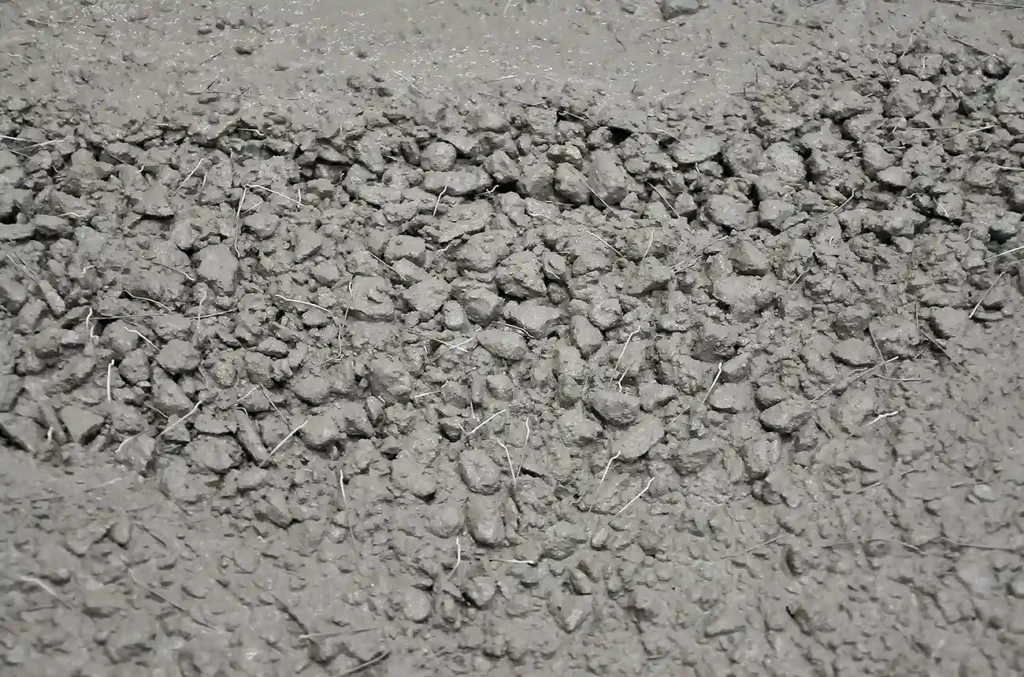
Steel fibers help distribute shrinkage stress and effectively control both plastic and drying shrinkage cracks.
2. Superior Toughness & Impact Resistance
SFRC absorbs significantly more energy under load, making it ideal for:
- Industrial floors
- Airport pavements
- Military structures
👉 Impact resistance can be several times higher than ordinary concrete.
3. Enhanced Fatigue Performance
Under repeated loading, SFRC shows:
- Lower strength degradation
- Longer service life
Perfect for roads, bridges, and heavy-load areas.
4. Improved Wear & Erosion Resistance
Higher density and hardness make SFRC suitable for:
- Hydraulic structures
- Ports and marine environments
5. Reduced Construction Complexity
In many cases, SFRC can:
- Partially or fully replace traditional rebar mesh
- Reduce labor costs
- Speed up construction
👉 This is a major selling point for overseas clients.
Mix Design Considerations
To achieve optimal performance, the following factors are critical:
Fiber Parameters
- Volume dosage: 0.5% – 2.0%
- Aspect ratio: 40 – 80
Too little → weak reinforcement
Too much → fiber clumping & poor workability
Concrete Matrix
- Strength grade: typically ≥ C30
- Fine aggregate content should be increased
- Maximum aggregate size ≤ 20 mm
Mixing Process
Recommended sequence:
- Dry mix aggregates + cement
- Add steel fibers gradually
- Add water and admixtures
👉 Key control point: avoid fiber balling
Construction Notes
Transportation & Pouring
- Avoid excessive vibration during transport
- Limit drop height to prevent fiber segregation
Finishing & Curing
- Press exposed fibers back into surface before setting
- Moist curing ≥ 14 days
Quality Control
- Ensure uniform fiber distribution
- Check surface finish and workability
Main Applications of SFRC
Industrial & Commercial Flooring
- Warehouses
- Factories
- Logistics centers
👉 Handles heavy traffic & repeated loads
Transportation Infrastructure
- Highways
- Bridge decks
- Airport runways
- Tunnel linings
Hydraulic & Marine Engineering
- Dams
- Spillways
- Port yards
👉 Strong resistance to erosion and water impact
Defense & Protective Structures
- Blast-resistant walls
- Military shelters
Repair & Strengthening
- Crack repair
- Structural reinforcement
👉 Excellent bonding with existing concrete
Challenges and Limitations
Higher Initial Cost
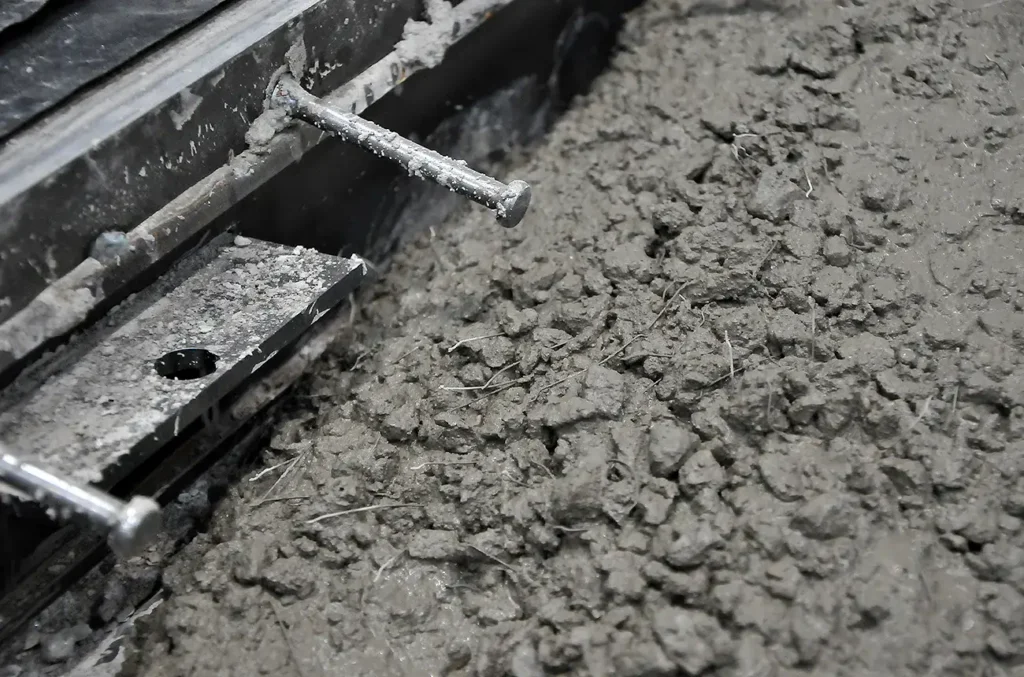
Steel fibers increase upfront cost, but:
👉 Lower maintenance + longer lifespan = better long-term ROI
Construction Sensitivity
Requires:
- Proper mixing
- Skilled handling
Design Standards
Still evolving in some regions, requiring engineering experience.
Future Trends
SFRC development is moving toward:
- High-performance fibers with better dispersion
- Hybrid fiber systems (steel + synthetic fibers)
- Improved durability in harsh environments
- Application in 3D printed concrete
Steel Fiber Reinforced Concrete is no longer just a niche material—it is becoming a mainstream engineering solution.
By combining:
- The compressive strength of concrete
- The toughness of steel
SFRC successfully overcomes the biggest weakness of traditional concrete—brittleness.
👉 For projects requiring durability, efficiency, and reduced maintenance, Steel Fiber Reinforced Concrete (SFRC) is often the smarter long-term choice.

About the Author: Zhongdimei — Professional Construction and Flooring Materials Manufacturer Since 2015
We share company updates, industry insights, and technical knowledge grounded in real manufacturing experience and practical construction applications. Our content reflects Zhongdimei’s commitment to quality, innovation, and reliable material solutions for global construction and flooring projects.
Share
Product Category
Contact Us Today
Related Articles
-
2026-04-23
What is Steel Fiber Reinforcement for Concrete
Steel fiber reinforcement offers better crack control, extended service life, and lower maintenance costs than traditional rebar systems, especially in heavy-duty industrial concrete floor applications.ZMD offers high-quality steel fibers with a range of strength options, designed for reliable reinforcement in demanding concrete applications. Advantages of Using Steel Fiber Steel fiber significantly optimizes your project’s bottom…
-
2026-04-22
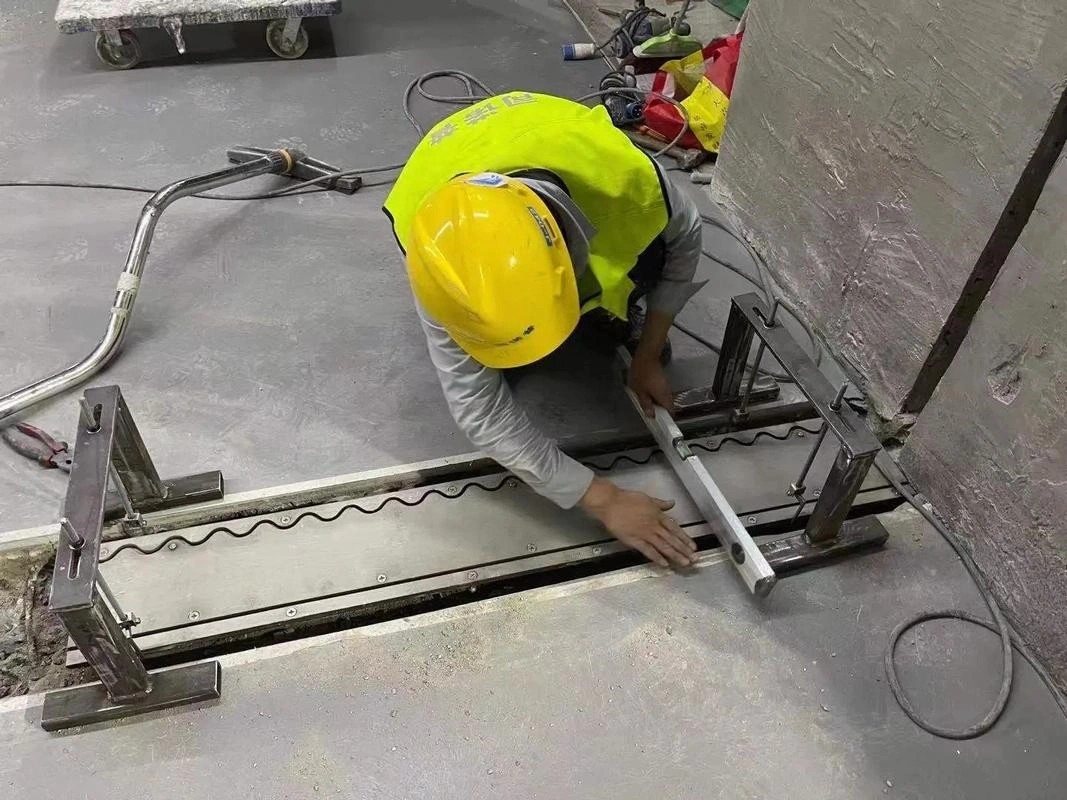
How to Install Armored Joints in Concrete Floors
What Is an Armored Joint in Concrete Flooring? An armored joint is a specialized expansion joint system used in concrete flooring to accommodate thermal expansion and contraction. It is typically made of steel or high-strength materials and installed at slab joints to protect edges from damage. Armored joints play a critical role in preventing cracking,…
-
2026-04-17
Steel Fiber vs Rebar Cost: Which Is More Cost-Effective in 2026?
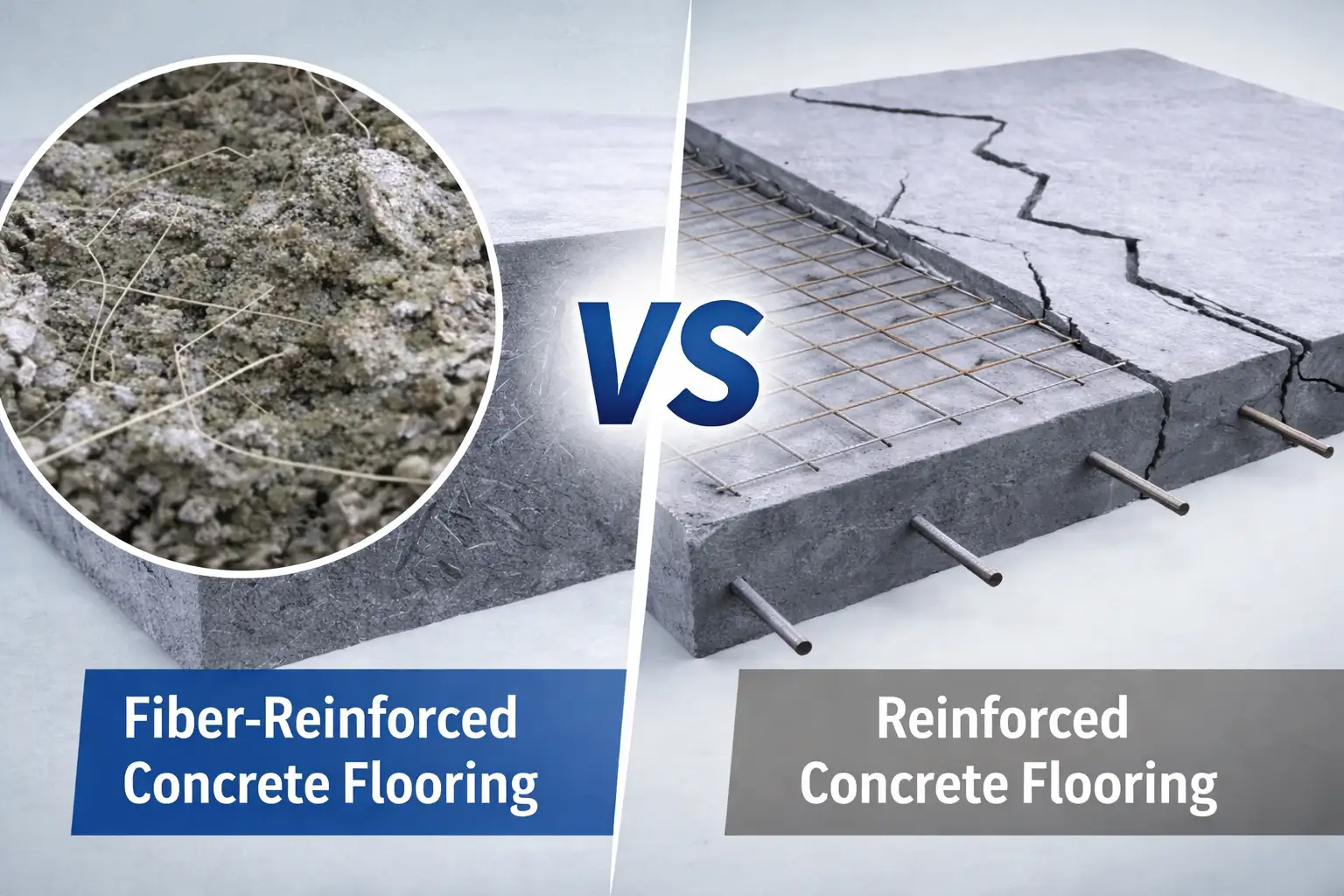
Steel fiber vs rebar cost is one of the most important considerations in concrete flooring projects.Compared to traditional rebar, steel fiber reinforcement can reduce overall project costs by 15%–30%. Key Characteristics of Reinforced Concrete Floor Construction Reinforced concrete floors are widely used in industrial and commercial construction due to their strength and load-bearing capacity. However,…
-
2026-04-15
Steel Fiber Reinforced Concrete (SFRC): Engineering Guide
Steel Fiber Reinforced Concrete (SFRC) is a composite material consisting of hydraulic cements, fine and coarse aggregates, and discrete, randomly distributed steel fibers. It is designed to overcome the inherent brittleness of conventional concrete. The Role of Steel Fibers The primary function of steel fibers is to modify the mechanical properties of the concrete matrix,…