How to Install Armored Joints in Concrete Floors
What Is an Armored Joint in Concrete Flooring?
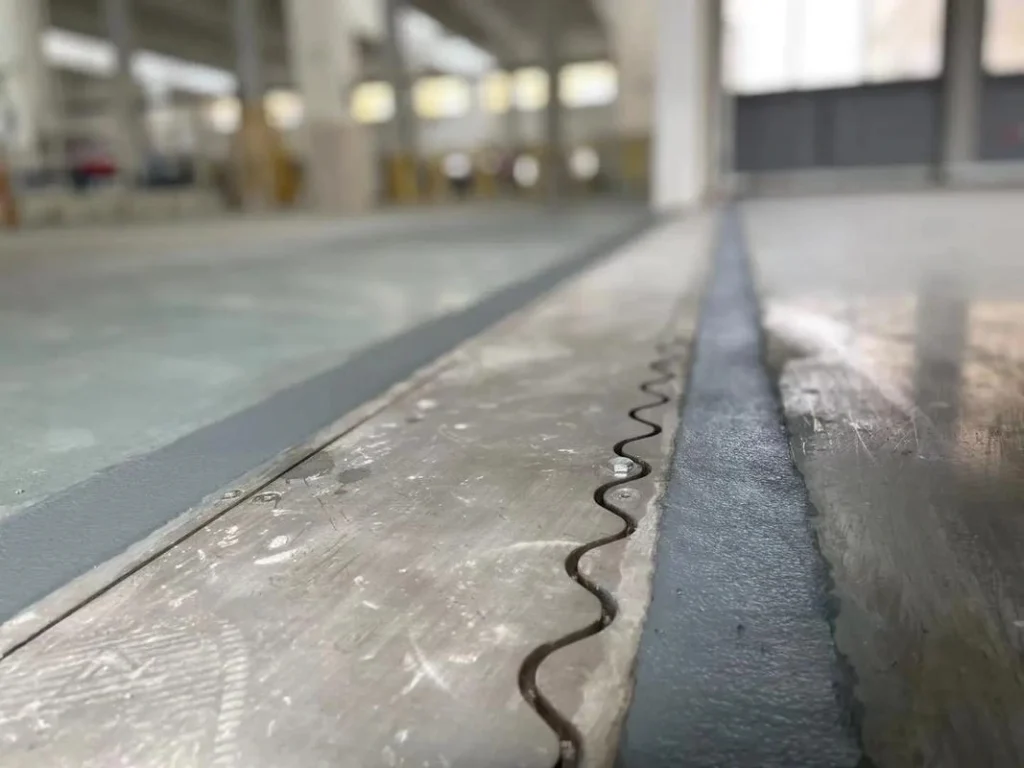
An armored joint is a specialized expansion joint system used in concrete flooring to accommodate thermal expansion and contraction. It is typically made of steel or high-strength materials and installed at slab joints to protect edges from damage.
Armored joints play a critical role in preventing cracking, chipping, and deformation in heavy-duty floors. Thanks to their high load-bearing capacity and wear resistance, they are widely used in industrial facilities, warehouses, and parking structures where forklift traffic and heavy loads are common.
Project Background (Case Study)
In a large-scale financial facility project, a high-precision concrete floor was required for a secure underground area with frequent heavy vehicle traffic.
The project demanded:
- Extremely high flatness tolerance (±2mm over 2m)
- Long-term durability of expansion joints
- Resistance to heavy loads and continuous traffic
To meet these requirements, an advanced armored joint system with load transfer capability was adopted to ensure both structural performance and surface quality.
Overview of the Armored Joint System
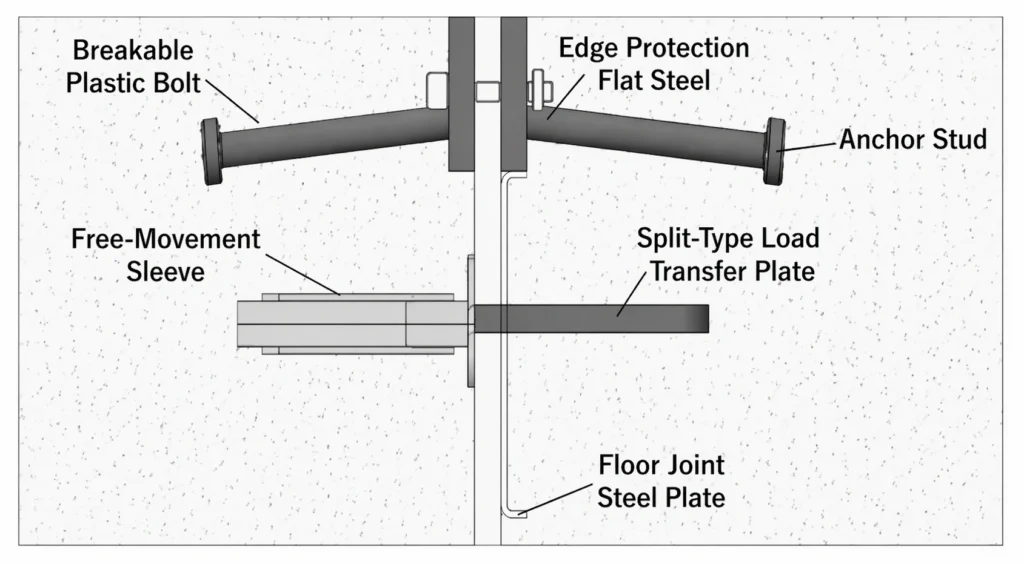
This project adopts an AFJ armored load transfer formwork expansion joint system for ultra-flat, heavy-duty, wear-resistant concrete floors.
The system consists of:
- Breakable plastic bolts
- Edge protection flat steel
- Anchor studs
- Free-movement sleeves
- Split-type load transfer plates
- Floor joint steel plates
It allows the concrete floor to be divided into sections in both longitudinal and transverse directions, enabling large-area segmented pouring.
At the joints, the load transfer formwork can move freely, which helps prevent cracking.
With this system, there is no need for traditional expansion joints or formwork removal, significantly improving construction efficiency and reducing overall costs.
Key Installation Techniques
To ensure the quality of the concrete floor, it is important to control the processing, transportation, and installation of the armored joint system.
At the same time, floor flatness must be carefully controlled during construction to avoid deviations after curing.
Processing, Transportation, and Installation
To avoid deformation during transportation, continuous steel bars are welded to anchor studs using CO₂ gas-shielded welding.
👉 This method:
- Improves overall straightness
- Reduces deformation caused by welding shrinkage
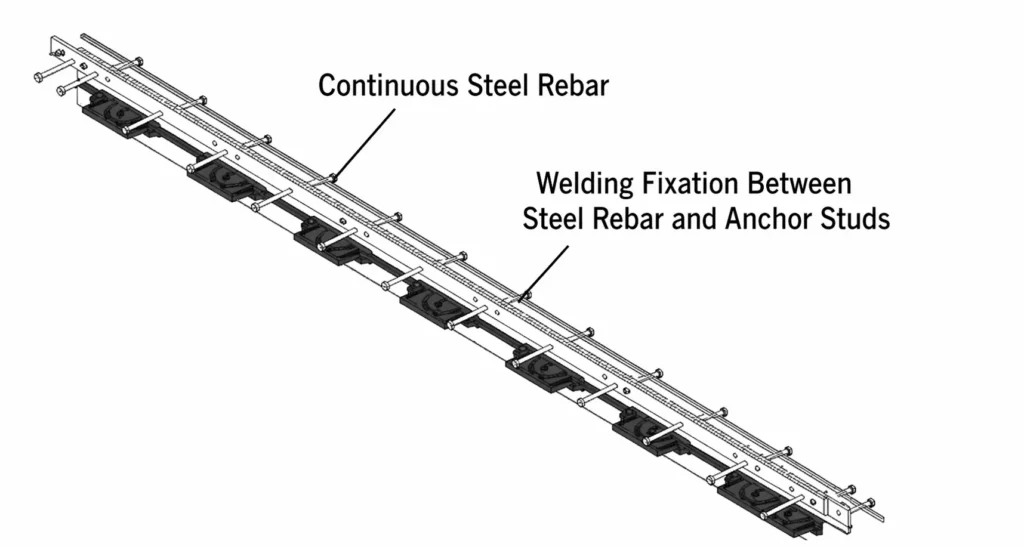
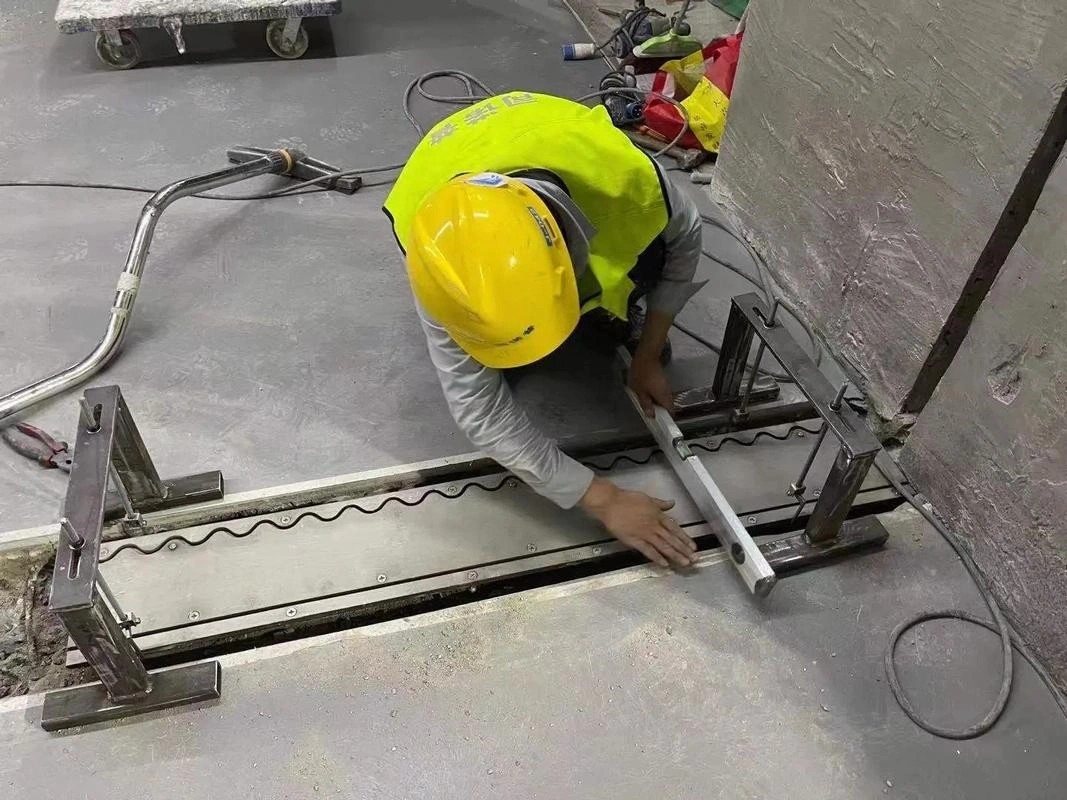
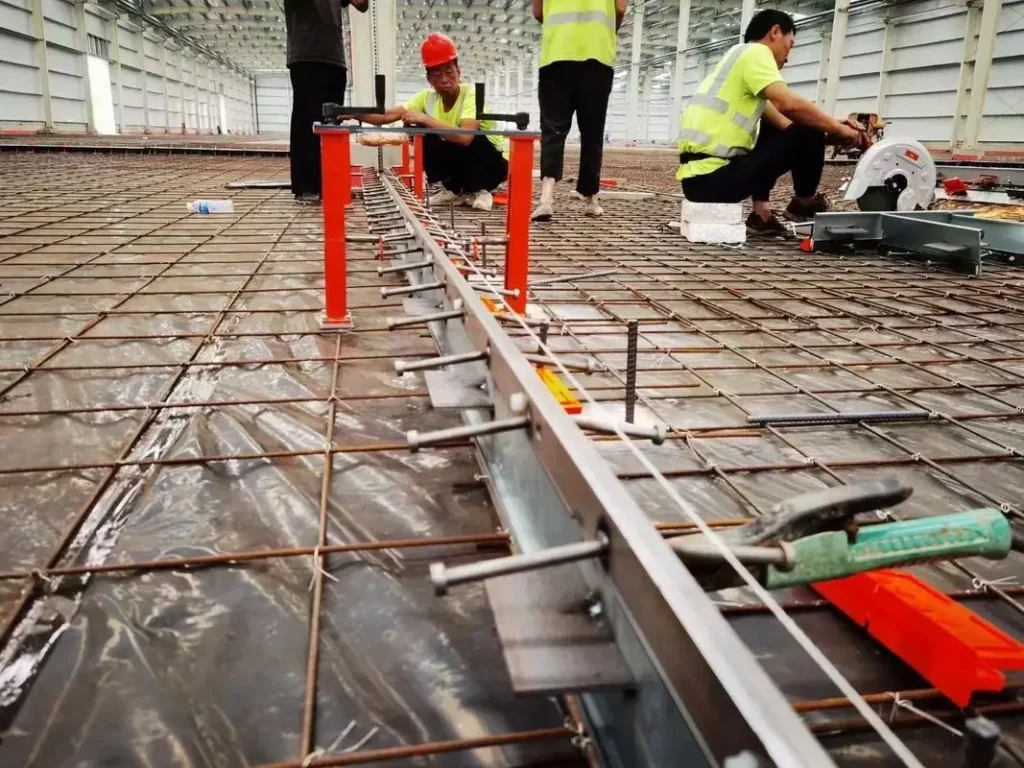
After the base slab is prepared, control lines are marked on the floor.The armored joint system is then positioned and adjusted according to these reference lines.
To ensure stability during installation, the system is fixed using:
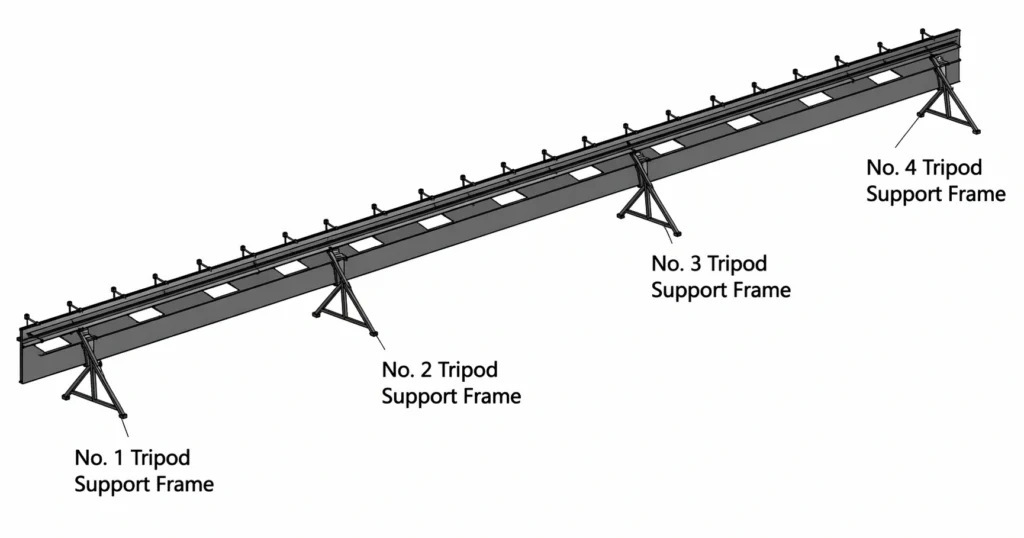
- Adjustable A-frame supports – simple, reusable, and suitable for different joint specifications
- Multi-point rebar positioning system – ensures accurate alignment during installation
The positioning system uses triangular rebar supports fixed into the concrete, which help maintain precise positioning.
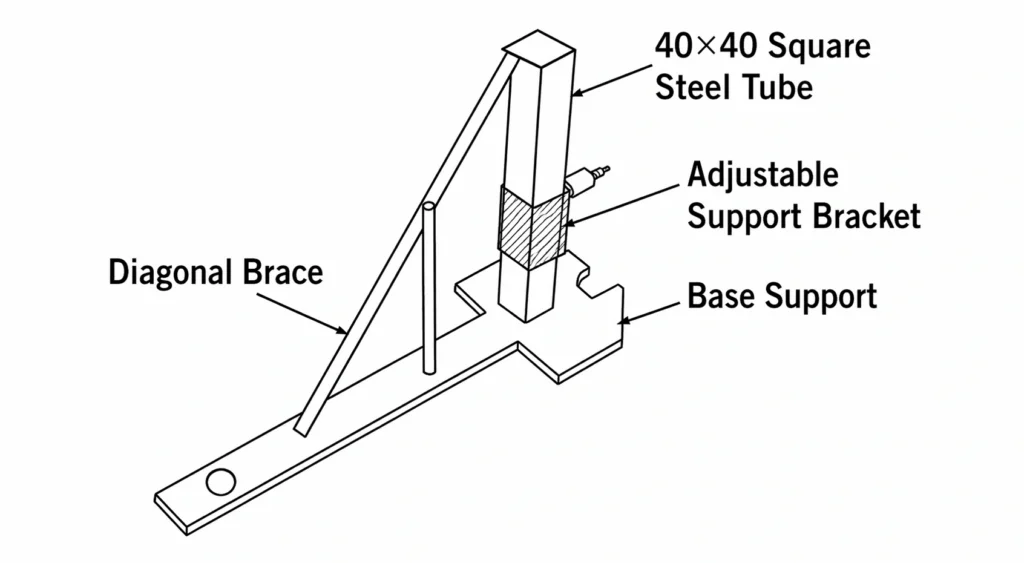
👉 Installation requirement:
- For each 3-meter joint section, at least 4 supports should be installed on one side
Before the second concrete pour, these supports must be removed or cut to:
- Allow free movement of the joint system
- Prevent cracking caused by restraint
Concrete Pouring and Curing
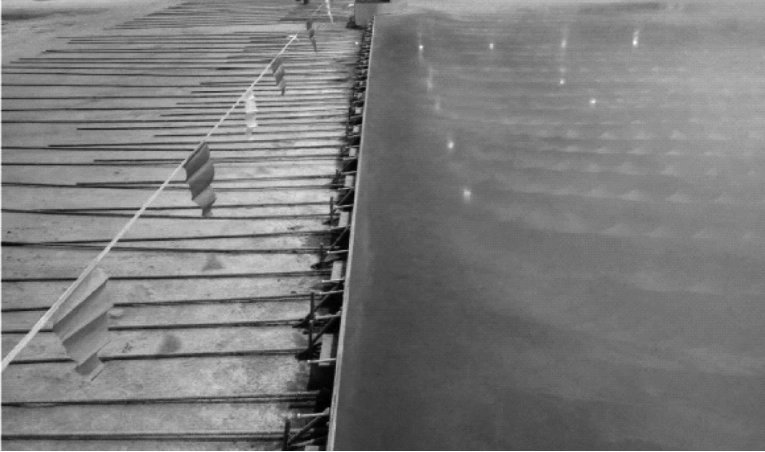
After the armored joint system is installed, concrete is poured for the floor slab.
The concrete surface should be level with the top of the steel edge protection.
During pouring, special attention must be given to vibration around key components, including:
- Load transfer plates
- Sleeves for movement
👉 Proper vibration ensures dense concrete and avoids voids or quality issues.
Conclusion
This project demonstrates the effective application of the armored joint system in high-precision, heavy-duty concrete flooring.
By combining straightness control techniques and a multi-point positioning system, common issues such as misalignment and insufficient fixation were successfully resolved.
The use of split-type load transfer plates allows the joint system to adapt to floor movement, reducing the risk of settlement and cracking.
In addition, the self-developed adjustable screed and elevation control tools significantly improved construction efficiency while ensuring high flatness accuracy.
As a result, the project achieved the required floor flatness, enhanced joint durability, and reduced construction time, delivering both technical and economic benefits.

About the Author: Zhongdimei — Professional Construction and Flooring Materials Manufacturer Since 2015
We share company updates, industry insights, and technical knowledge grounded in real manufacturing experience and practical construction applications. Our content reflects Zhongdimei’s commitment to quality, innovation, and reliable material solutions for global construction and flooring projects.
Share
Product Category
Contact Us Today
Related Articles
-
2026-04-23
What is Steel Fiber Reinforcement for Concrete
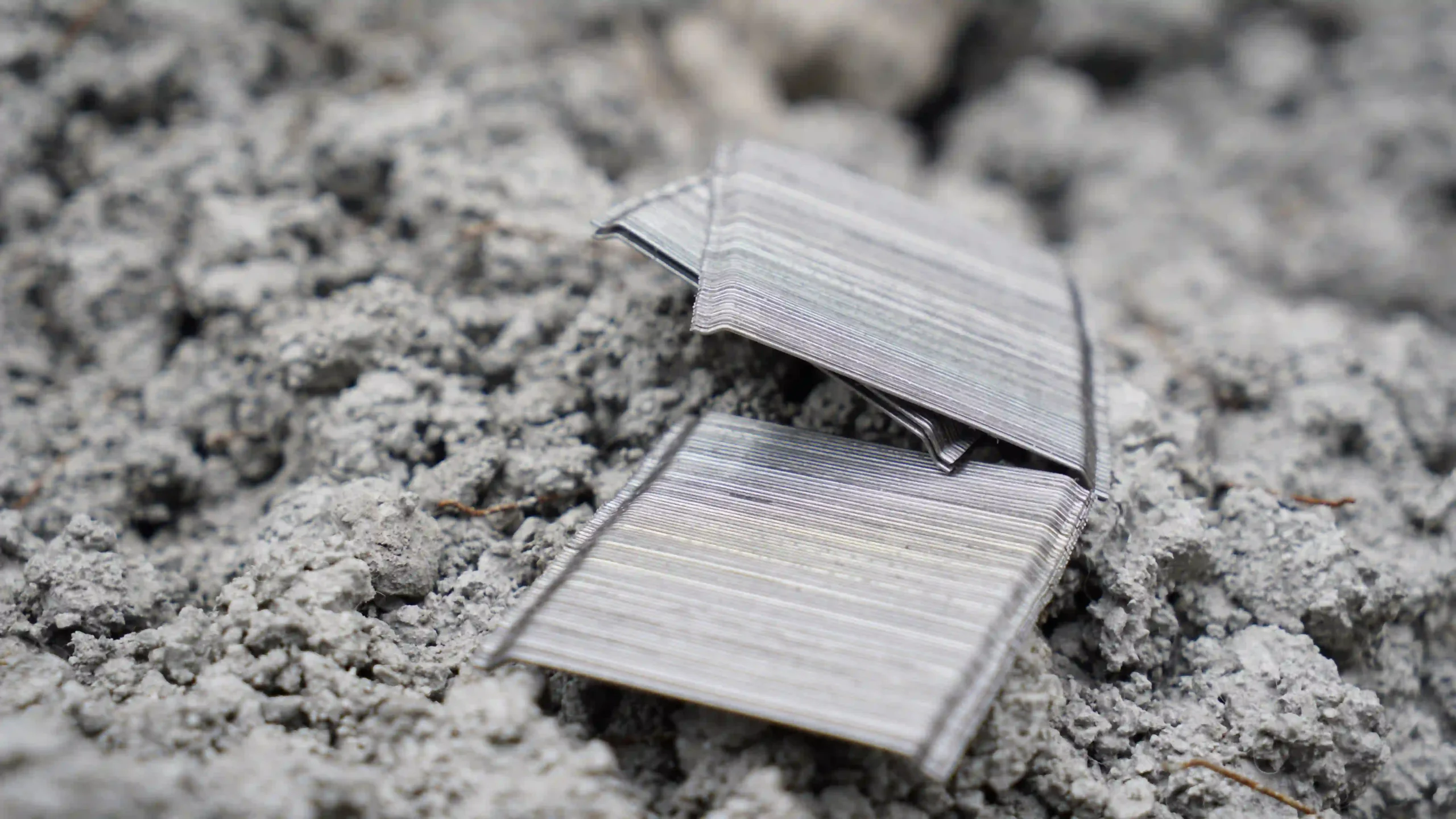
Steel fiber reinforcement offers better crack control, extended service life, and lower maintenance costs than traditional rebar systems, especially in heavy-duty industrial concrete floor applications.ZMD offers high-quality steel fibers with a range of strength options, designed for reliable reinforcement in demanding concrete applications. Advantages of Using Steel Fiber Steel fiber significantly optimizes your project’s bottom…
-
2026-04-17
Steel Fiber vs Rebar Cost: Which Is More Cost-Effective in 2026?
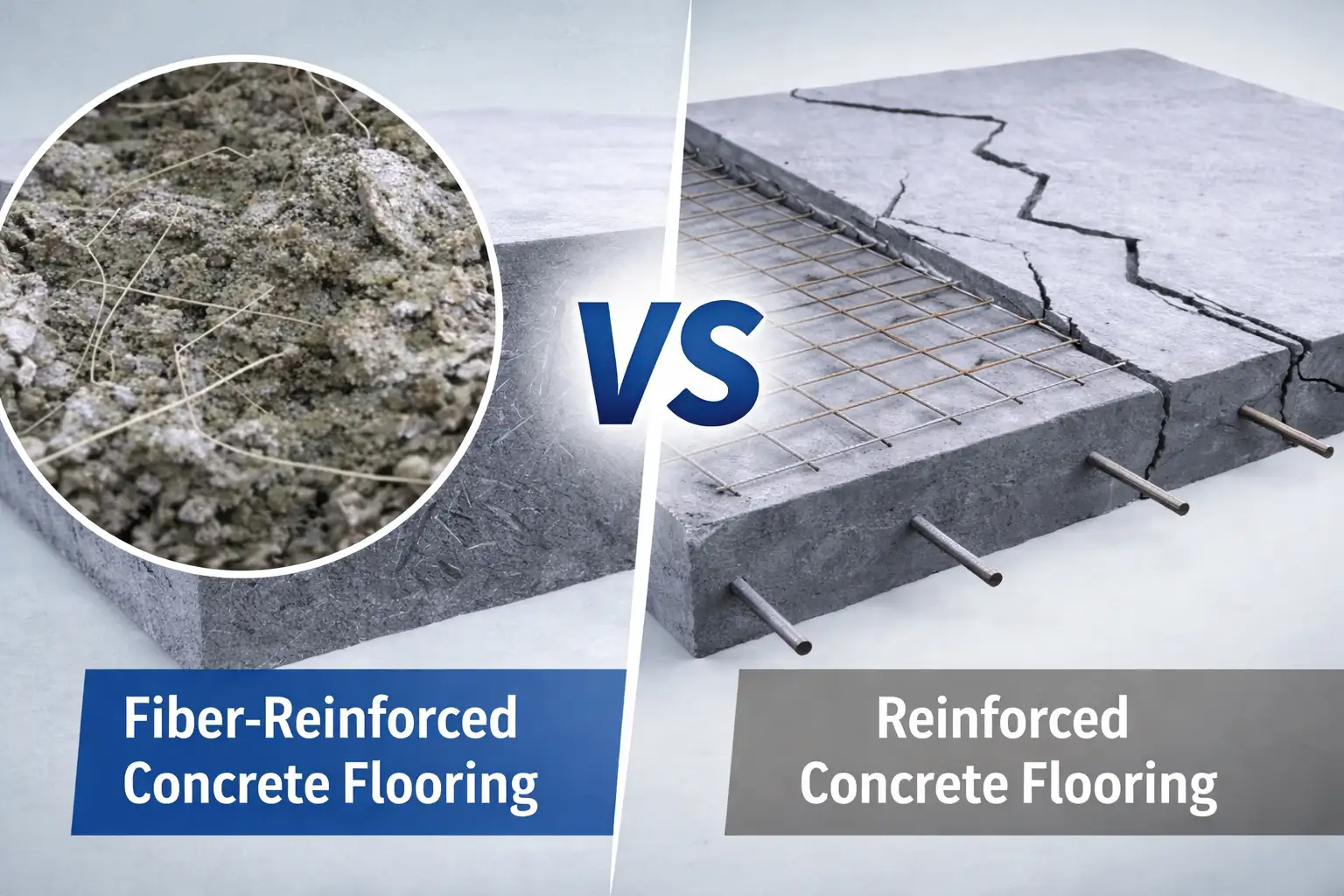
Steel fiber vs rebar cost is one of the most important considerations in concrete flooring projects.Compared to traditional rebar, steel fiber reinforcement can reduce overall project costs by 15%–30%. Key Characteristics of Reinforced Concrete Floor Construction Reinforced concrete floors are widely used in industrial and commercial construction due to their strength and load-bearing capacity. However,…
-
2026-04-15
Steel Fiber Reinforced Concrete (SFRC): Engineering Guide
Steel Fiber Reinforced Concrete (SFRC) is a composite material consisting of hydraulic cements, fine and coarse aggregates, and discrete, randomly distributed steel fibers. It is designed to overcome the inherent brittleness of conventional concrete. The Role of Steel Fibers The primary function of steel fibers is to modify the mechanical properties of the concrete matrix,…
-
2026-04-14
How Steel Fiber Improves Ultra-High Performance Concrete (UHPC)
Steel fiber has a significant impact on the mechanical performance of ultra-high performance concrete (UHPC). It can effectively enhance key properties such as tensile strength, crack resistance, toughness, and ductility. This is mainly because steel fibers have much higher strength than the concrete matrix and form a strong bond with it, which helps prevent crack…