Steel Fiber Reinforced Concrete (SFRC): Engineering Guide
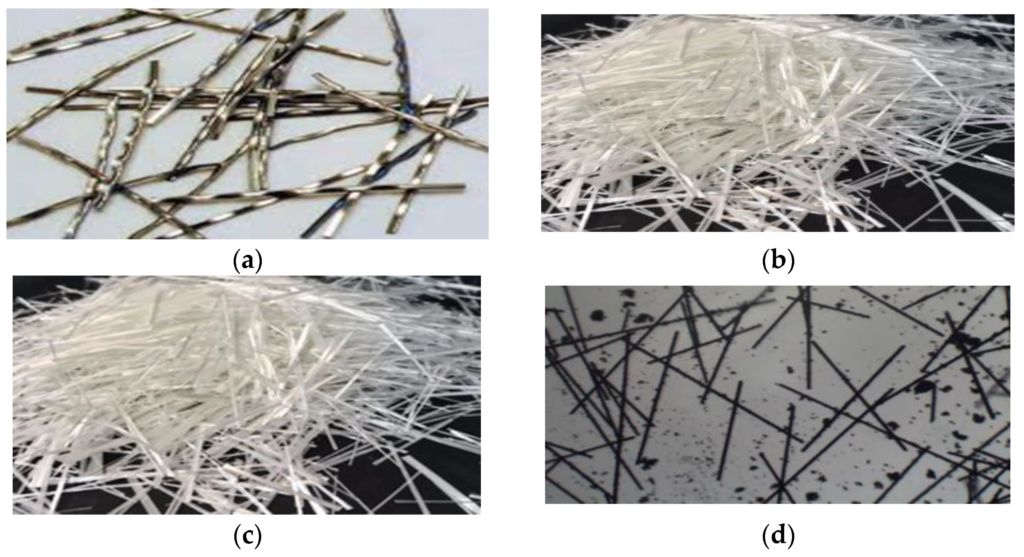
Steel Fiber Reinforced Concrete (SFRC) is a composite material consisting of hydraulic cements, fine and coarse aggregates, and discrete, randomly distributed steel fibers. It is designed to overcome the inherent brittleness of conventional concrete.
The Role of Steel Fibers
The primary function of steel fibers is to modify the mechanical properties of the concrete matrix, particularly after the first crack occurs.
- Crack Control: Fibers bridge the cracks, preventing micro-cracks from developing into macro-cracks.
- Ductility & Toughness: Unlike normal concrete which fails abruptly (brittle failure), SFRC can sustain significant loads even after cracking (ductile behavior).
- Energy Absorption: Steel fibers absorb energy during deformation, which is critical for seismic and impact-resistant structures.
- Impact & Fatigue Resistance: The fiber network enhances the material’s durability under repetitive or sudden loading.
Performance Comparison
The following table compares the typical mechanical properties of Ordinary Concrete (OC) and Steel Fiber Reinforced Concrete (SFRC) with a typical fiber volume fraction (1.0% – 1.5%).
| Property | Ordinary Concrete (OC) | SFRC | Improvement Factor |
| Compressive Strength | 100% (Baseline) | 105% – 120% | Low to Moderate |
| Tensile Strength | 100% (Baseline) | 140% – 170% | High |
| Flexural Strength | 100% (Baseline) | 150% – 200% | Very High |
| Ductility / Toughness | Low (Brittle) | Very High (Ductile) | Excellent |
| Crack Resistance | Low | High | Excellent |
| Fatigue Resistance | Moderate | High | Good |
Usage Scenarios
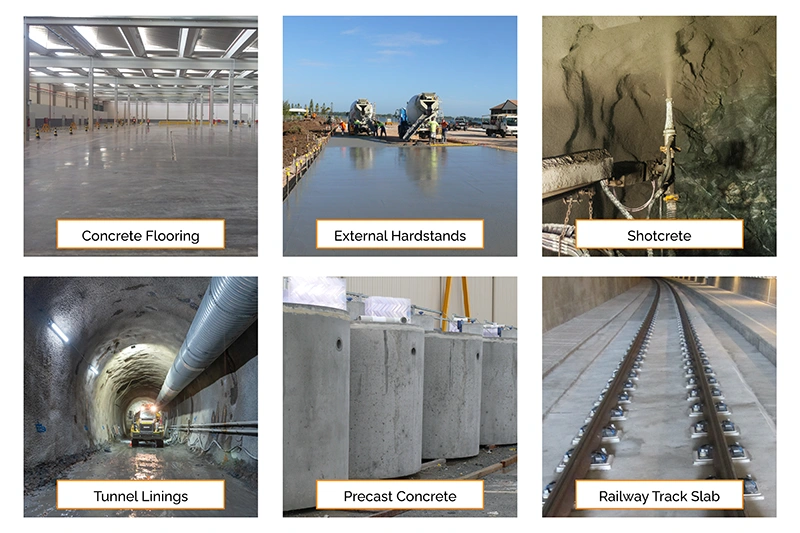
SFRC is widely used in environments requiring high durability and load-bearing capacity without traditional heavy rebar.
- Industrial Flooring: Heavy-duty warehouse floors and loading docks where high impact and abrasion resistance are required.
- Tunnel Linings (Shotcrete): Used as a primary support system in tunnels, eliminating the need for complex mesh installation.
- Pavements & Airports: Airport runways and taxiways benefit from the reduced thickness and increased fatigue life provided by fibers.
- Hydraulic Structures: Spillways and dams where cavitation and water erosion are concerns.
- Precast Elements: Pipes, segments, and architectural panels.
Conclusion
Steel Fiber Reinforced Concrete represents a significant advancement in construction technology. By transforming concrete from a brittle material into a tough, ductile composite, it enables safer, more efficient, and longer-lasting infrastructure.

About the Author: Zhongdimei — Professional Construction and Flooring Materials Manufacturer Since 2015
We share company updates, industry insights, and technical knowledge grounded in real manufacturing experience and practical construction applications. Our content reflects Zhongdimei’s commitment to quality, innovation, and reliable material solutions for global construction and flooring projects.
Share
Product Category
Contact Us Today
Related Articles
-
2026-04-23
What is Steel Fiber Reinforcement for Concrete
Steel fiber reinforcement offers better crack control, extended service life, and lower maintenance costs than traditional rebar systems, especially in heavy-duty industrial concrete floor applications.ZMD offers high-quality steel fibers with a range of strength options, designed for reliable reinforcement in demanding concrete applications. Advantages of Using Steel Fiber Steel fiber significantly optimizes your project’s bottom…
-
2026-04-22
How to Install Armored Joints in Concrete Floors
What Is an Armored Joint in Concrete Flooring? An armored joint is a specialized expansion joint system used in concrete flooring to accommodate thermal expansion and contraction. It is typically made of steel or high-strength materials and installed at slab joints to protect edges from damage. Armored joints play a critical role in preventing cracking,…
-
2026-04-17
Steel Fiber vs Rebar Cost: Which Is More Cost-Effective in 2026?
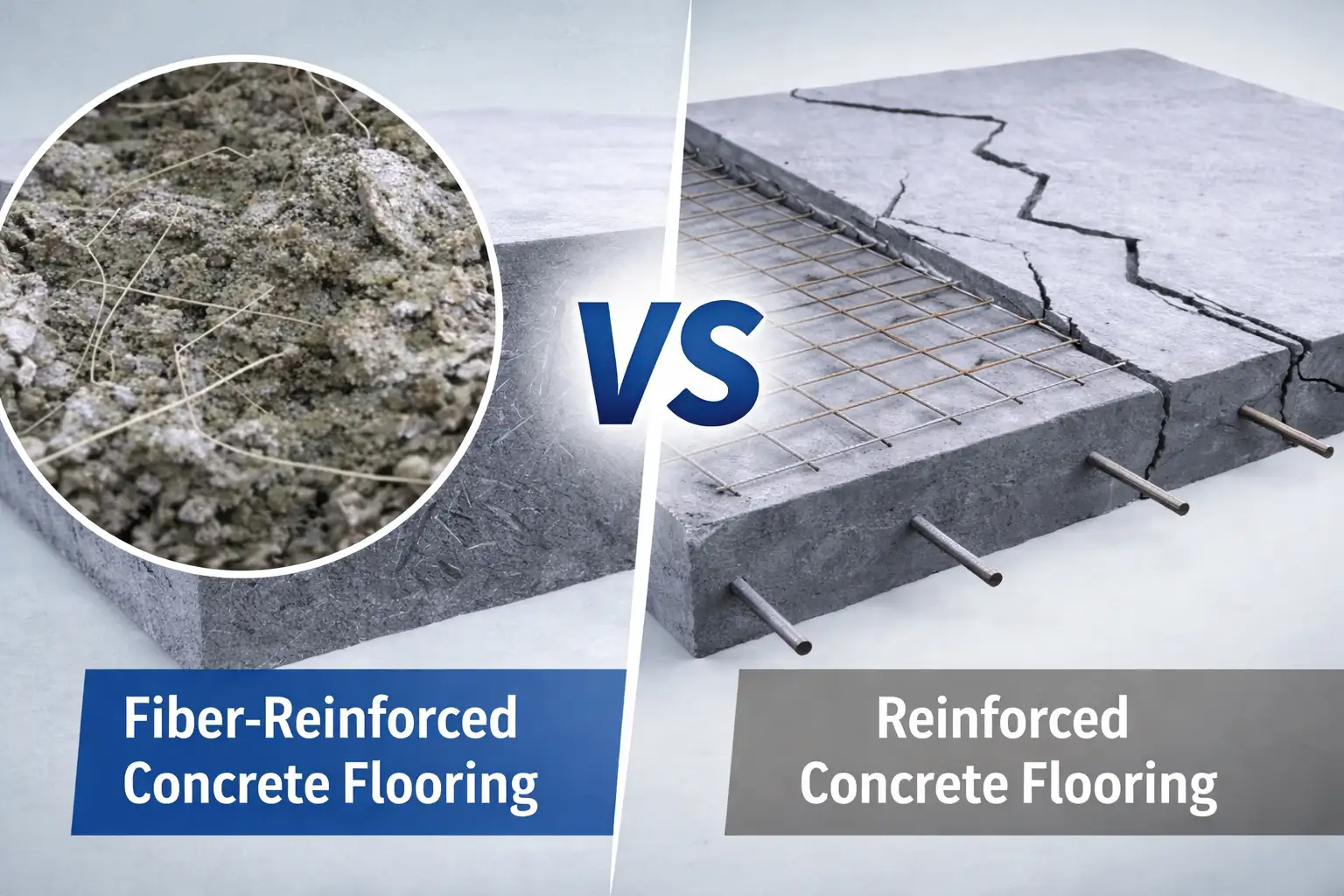
Steel fiber vs rebar cost is one of the most important considerations in concrete flooring projects.Compared to traditional rebar, steel fiber reinforcement can reduce overall project costs by 15%–30%. Key Characteristics of Reinforced Concrete Floor Construction Reinforced concrete floors are widely used in industrial and commercial construction due to their strength and load-bearing capacity. However,…
-
2026-04-14
How Steel Fiber Improves Ultra-High Performance Concrete (UHPC)
Steel fiber has a significant impact on the mechanical performance of ultra-high performance concrete (UHPC). It can effectively enhance key properties such as tensile strength, crack resistance, toughness, and ductility. This is mainly because steel fibers have much higher strength than the concrete matrix and form a strong bond with it, which helps prevent crack…