What is Steel Fiber Reinforcement for Concrete
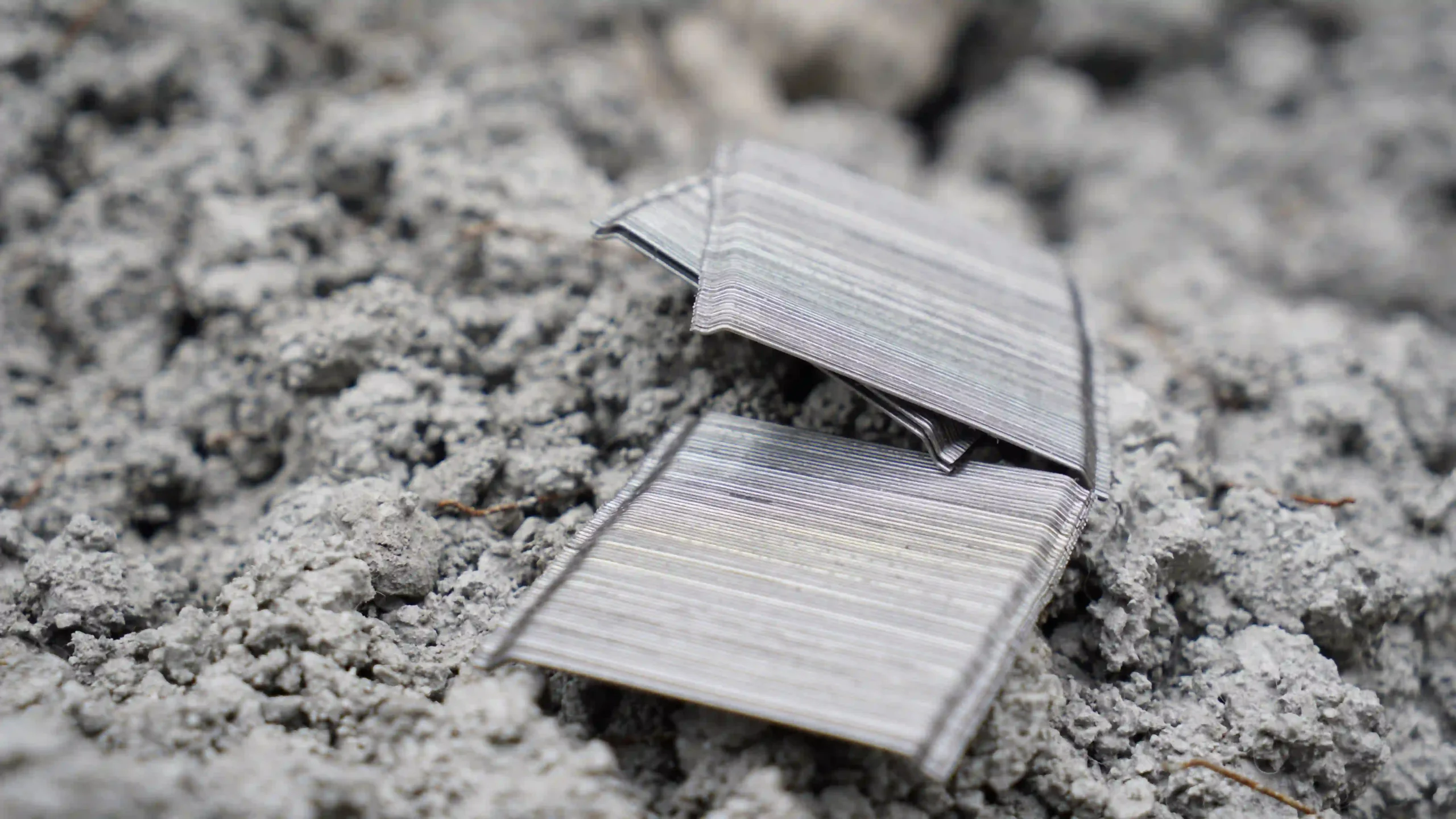
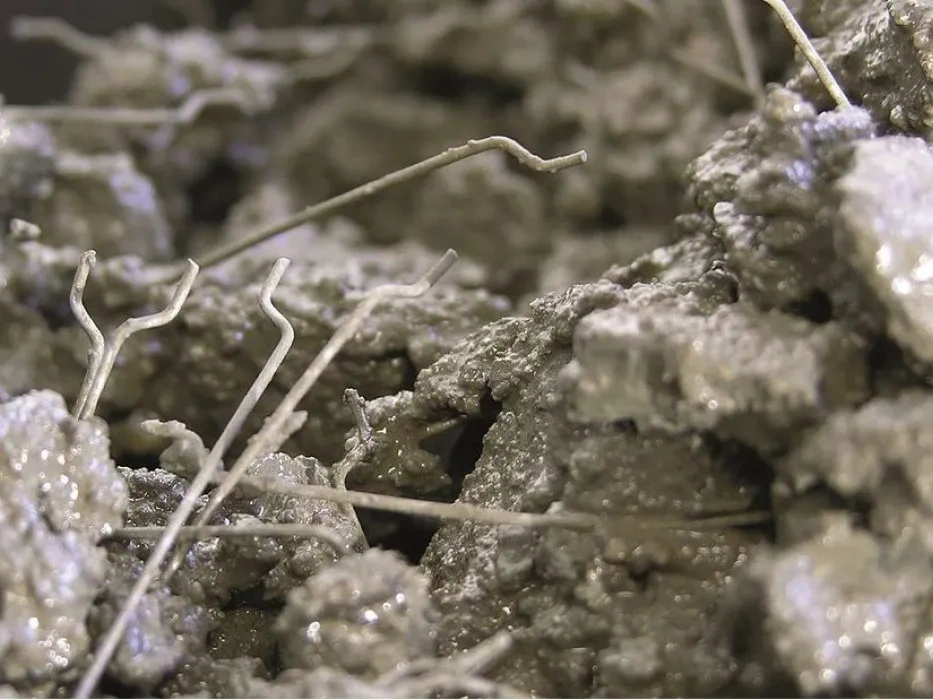
Steel fiber reinforcement offers better crack control, extended service life, and lower maintenance costs than traditional rebar systems, especially in heavy-duty industrial concrete floor applications.ZMD offers high-quality steel fibers with a range of strength options, designed for reliable reinforcement in demanding concrete applications.
Advantages of Using Steel Fiber
Steel fiber significantly optimizes your project’s bottom line by enhancing crack resistance and fundamentally improving the inherent brittleness of concrete.
- Superior Crack Control : Effectively controls plastic shrinkage cracks before hardening and limits microcrack propagation after curing, helping prevent visible cracking and improve structural integrity.
- Improved Toughness & Impact Resistance : Enhances concrete ductility, allowing it to absorb more energy under stress and resist impact or sudden loads, overcoming the inherent brittleness of conventional concrete.
- Enhanced Durability & Longer Service Life : By reducing crack formation, steel fiber reinforcement improves resistance to water penetration, freeze-thaw cycles, and corrosion, significantly extending the lifespan of concrete structures.
- Cost Efficiency & Faster Construction : Reduces or replaces traditional reinforcement, lowers material and labor costs, simplifies installation, and accelerates construction timelines—especially in large-scale continuous pours.
Applications of Reinforcing Fiber
ZDM Reinforcing Fibers are mainly used in:
- Industrial Flooring & Warehouses
- Commercial & Logistics Facilities
- Airport Runways & Taxiways
- Tunnel Linings & Shotcrete
- Precast Concrete Elements
- Roads & Pavement Infrastructure
Steel Fiber vs Rebar Cost: Which Is More Cost-Effective in
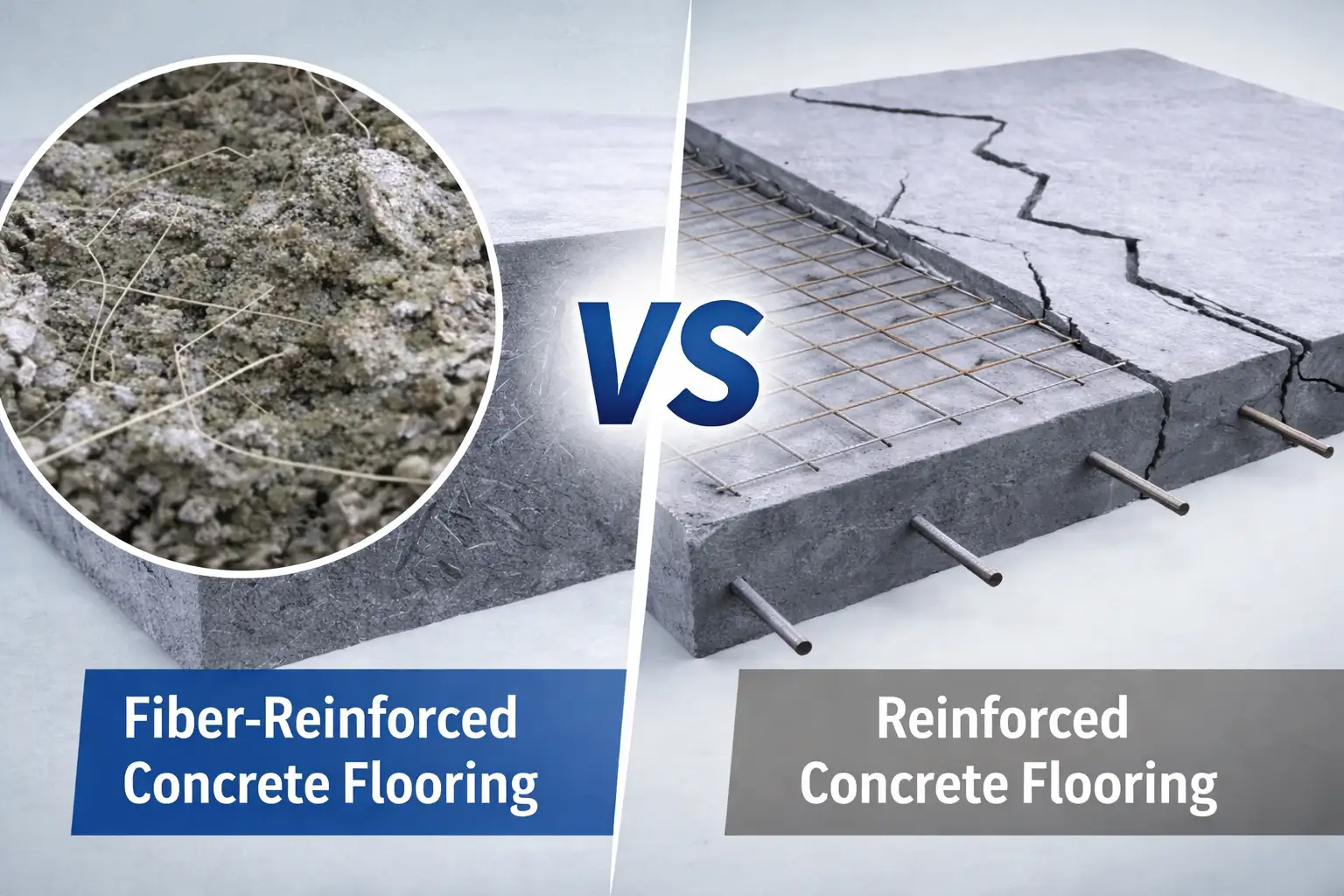
Cost is one of the most important considerations in concrete flooring projects. Compared to traditional rebar, steel fiber reinforcement can reduce overall project costs by 15%–30%.
Steel Fiber Reinforced Concrete
| Parameter | Value |
|---|---|
| Floor Thickness | 200 mm |
| Fiber Type | 80/60G |
| Dosage | 20 kg/m³ |
| Consumption | 4 kg/m² |
| Price | $1.71/kg |
| Total Cost | $6.86/m² |
Rebar Reinforced Concrete
| Parameter | Value |
|---|---|
| Floor Thickness | 200 mm |
| Rebar Diameter | 12 mm |
| Spacing | 150 mm |
| Layers | 2 |
| Steel Consumption | 17.26 kg/m² |
| Material Cost | $0.71/kg |
| Binding Cost | $0.14/kg |
| Total Cost | ≈ $14.7/m² |
If you’d like to learn more about the cost comparison between steel fiber and rebar, please refer to our detailed guide: Steel Fiber vs Rebar Cost.
How to Choose the Right Steel Fiber
Choosing high-quality steel fiber requires more than comparing price or strength. It involves evaluating manufacturer capability, production consistency, and quality control systems.
ZDM’s 5 Key Evaluation Rules help buyers make informed decisions by focusing on real performance indicators such as crack control, durability, and testing standards.
The right steel fiber ensures not only compliance with technical requirements, but also better construction quality and long-term project performance.
- Manufacturer Strength
- Manufacturing Process
- Quality Control System
- Product Appearance
- Performance Testing
To explore more about selecting the right steel fiber, see our guide: How to Choose Steel Fiber.

About the Author: Zhongdimei — Professional Construction and Flooring Materials Manufacturer Since 2015
We share company updates, industry insights, and technical knowledge grounded in real manufacturing experience and practical construction applications. Our content reflects Zhongdimei’s commitment to quality, innovation, and reliable material solutions for global construction and flooring projects.
Share
Product Category
Contact Us Today
Related Articles
-
2026-04-22
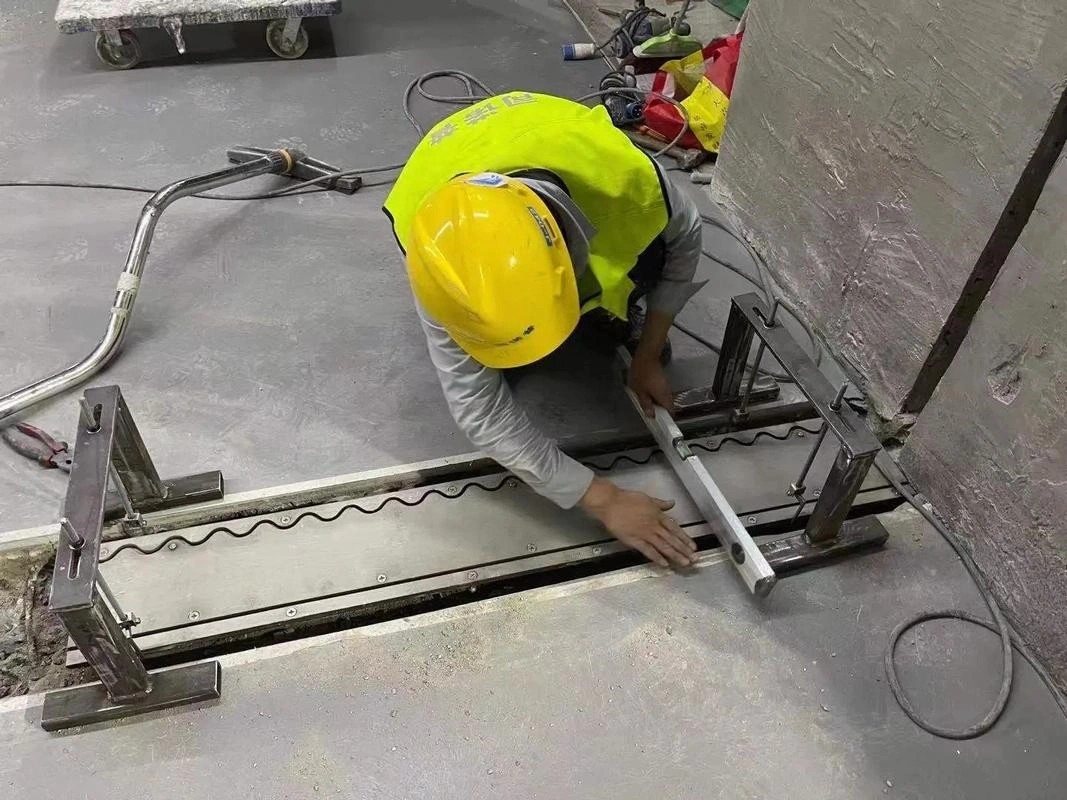
How to Install Armored Joints in Concrete Floors
What Is an Armored Joint in Concrete Flooring? An armored joint is a specialized expansion joint system used in concrete flooring to accommodate thermal expansion and contraction. It is typically made of steel or high-strength materials and installed at slab joints to protect edges from damage. Armored joints play a critical role in preventing cracking,…
-
2026-04-17
Steel Fiber vs Rebar Cost: Which Is More Cost-Effective in 2026?
Steel fiber vs rebar cost is one of the most important considerations in concrete flooring projects.Compared to traditional rebar, steel fiber reinforcement can reduce overall project costs by 15%–30%. Key Characteristics of Reinforced Concrete Floor Construction Reinforced concrete floors are widely used in industrial and commercial construction due to their strength and load-bearing capacity. However,…
-
2026-04-15
Steel Fiber Reinforced Concrete (SFRC): Engineering Guide
Steel Fiber Reinforced Concrete (SFRC) is a composite material consisting of hydraulic cements, fine and coarse aggregates, and discrete, randomly distributed steel fibers. It is designed to overcome the inherent brittleness of conventional concrete. The Role of Steel Fibers The primary function of steel fibers is to modify the mechanical properties of the concrete matrix,…
-

2026-04-14
How Steel Fiber Improves Ultra-High Performance Concrete (UHPC)
Steel fiber has a significant impact on the mechanical performance of ultra-high performance concrete (UHPC). It can effectively enhance key properties such as tensile strength, crack resistance, toughness, and ductility. This is mainly because steel fibers have much higher strength than the concrete matrix and form a strong bond with it, which helps prevent crack…